South Korea
Heritage Reimagined
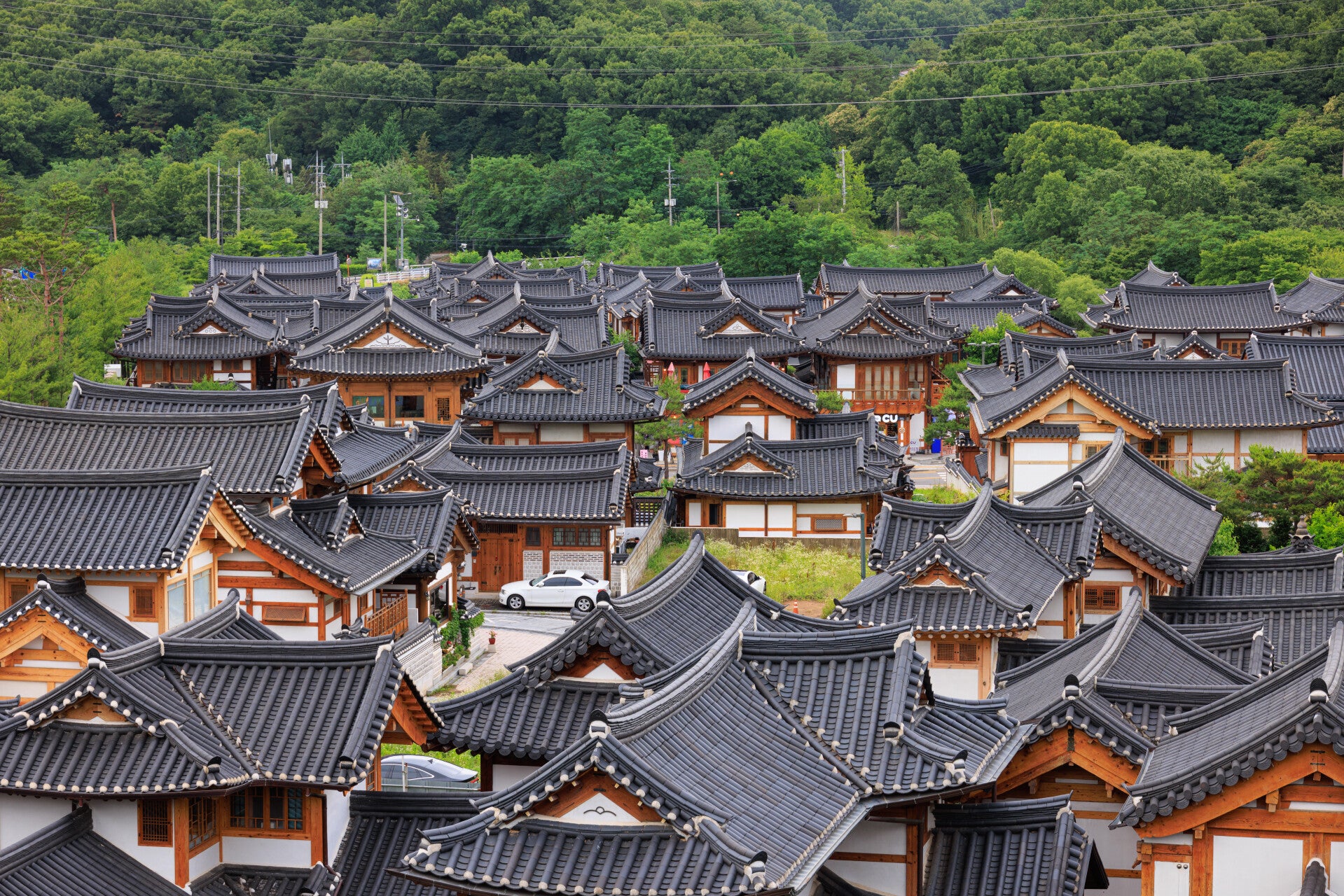
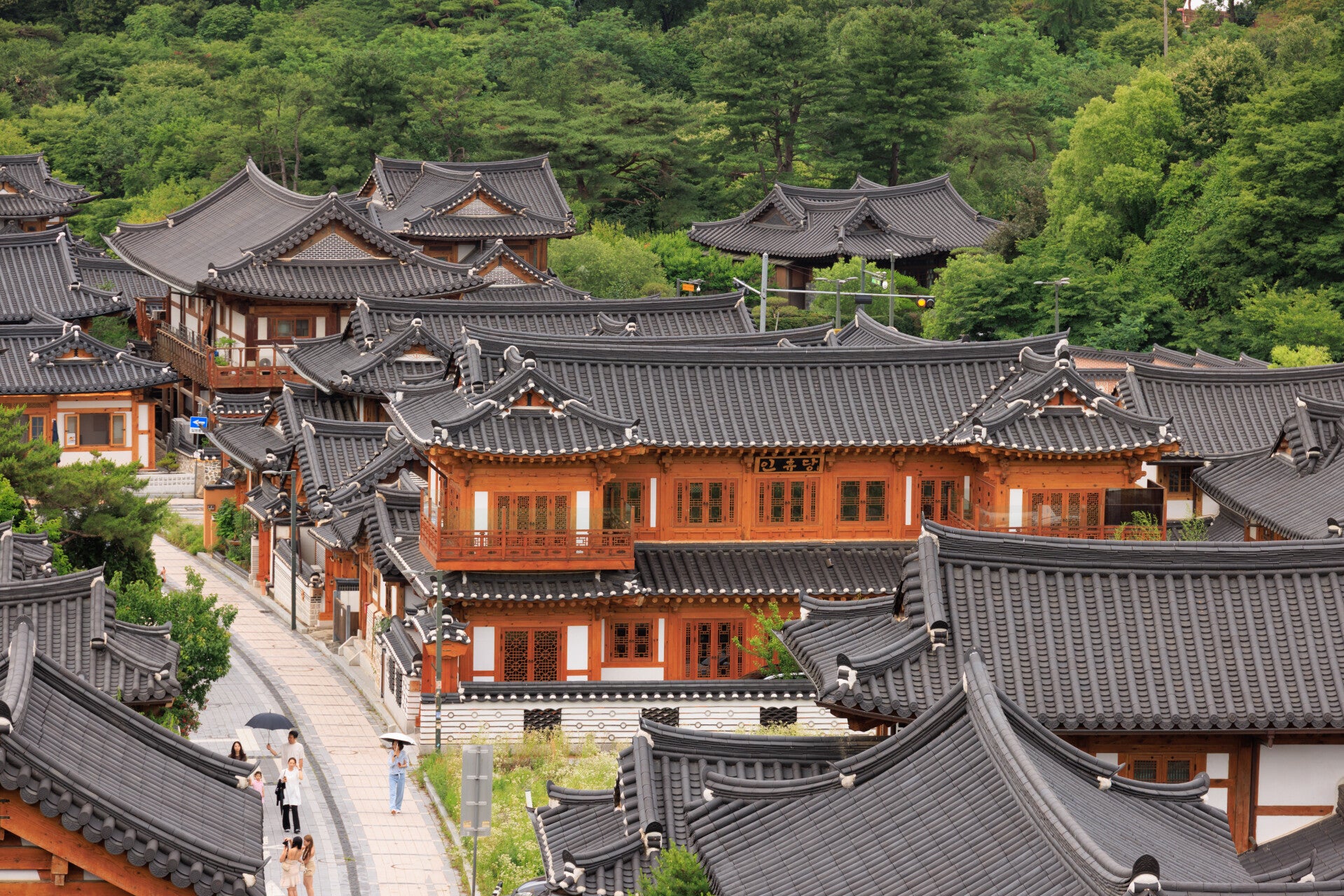
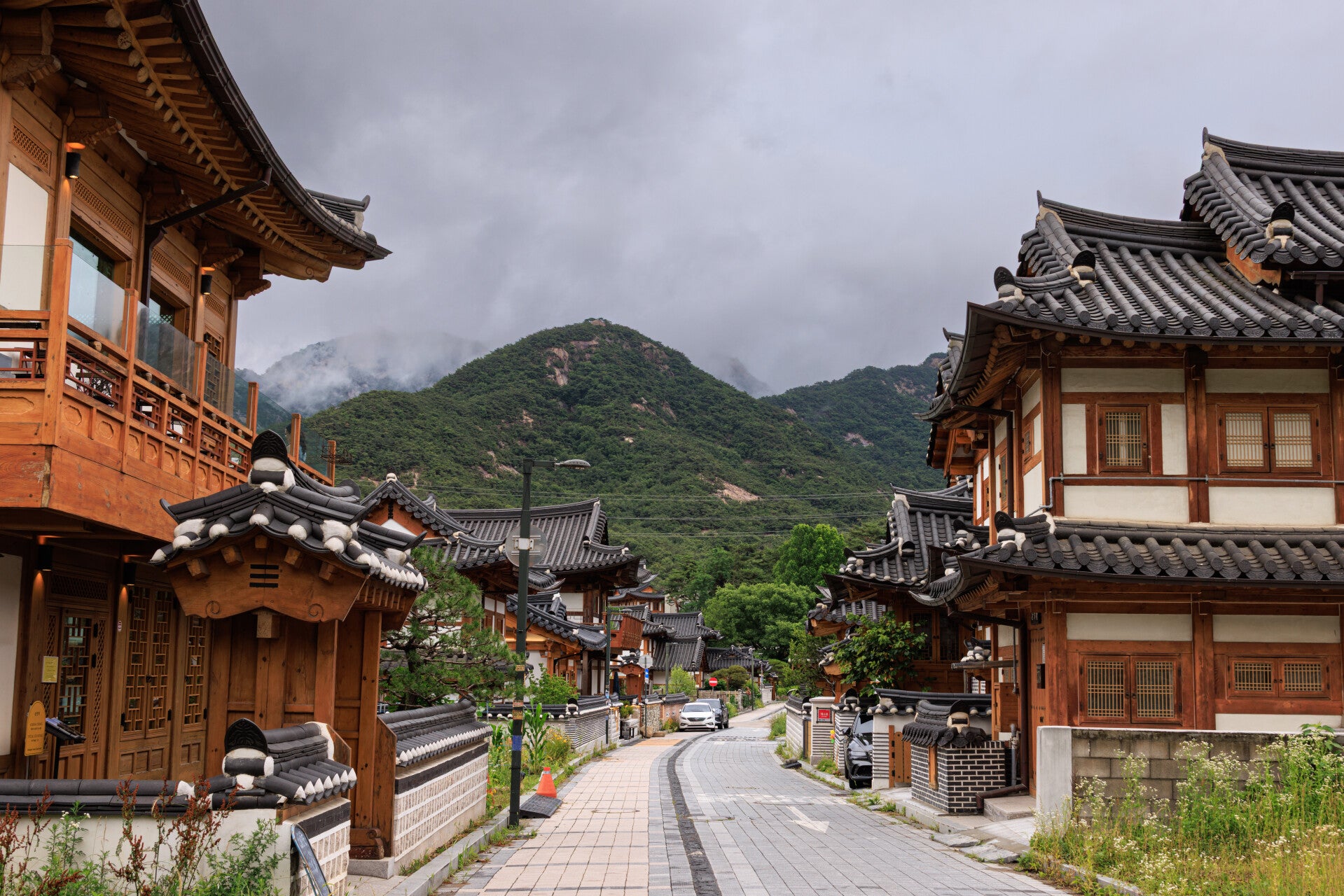
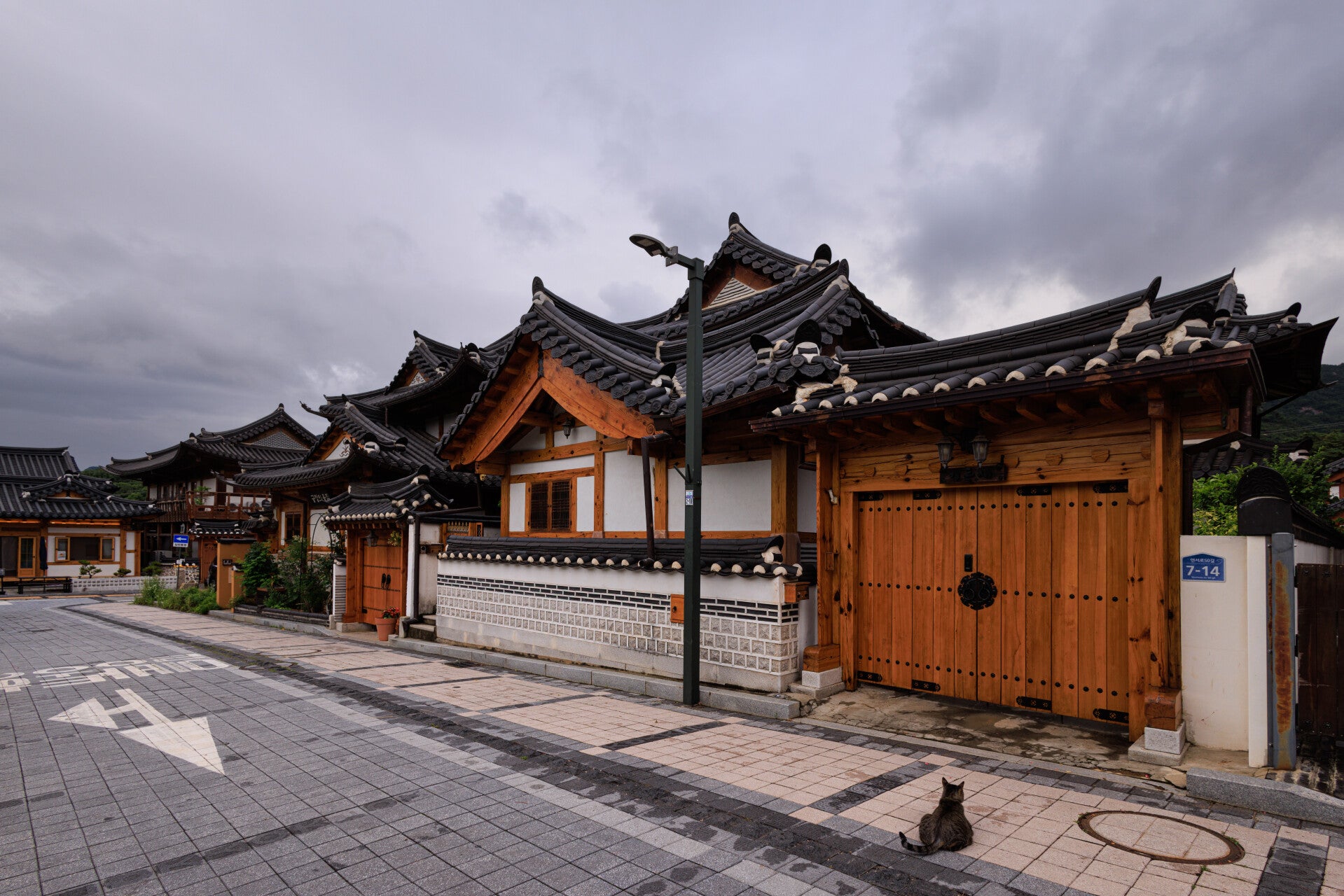
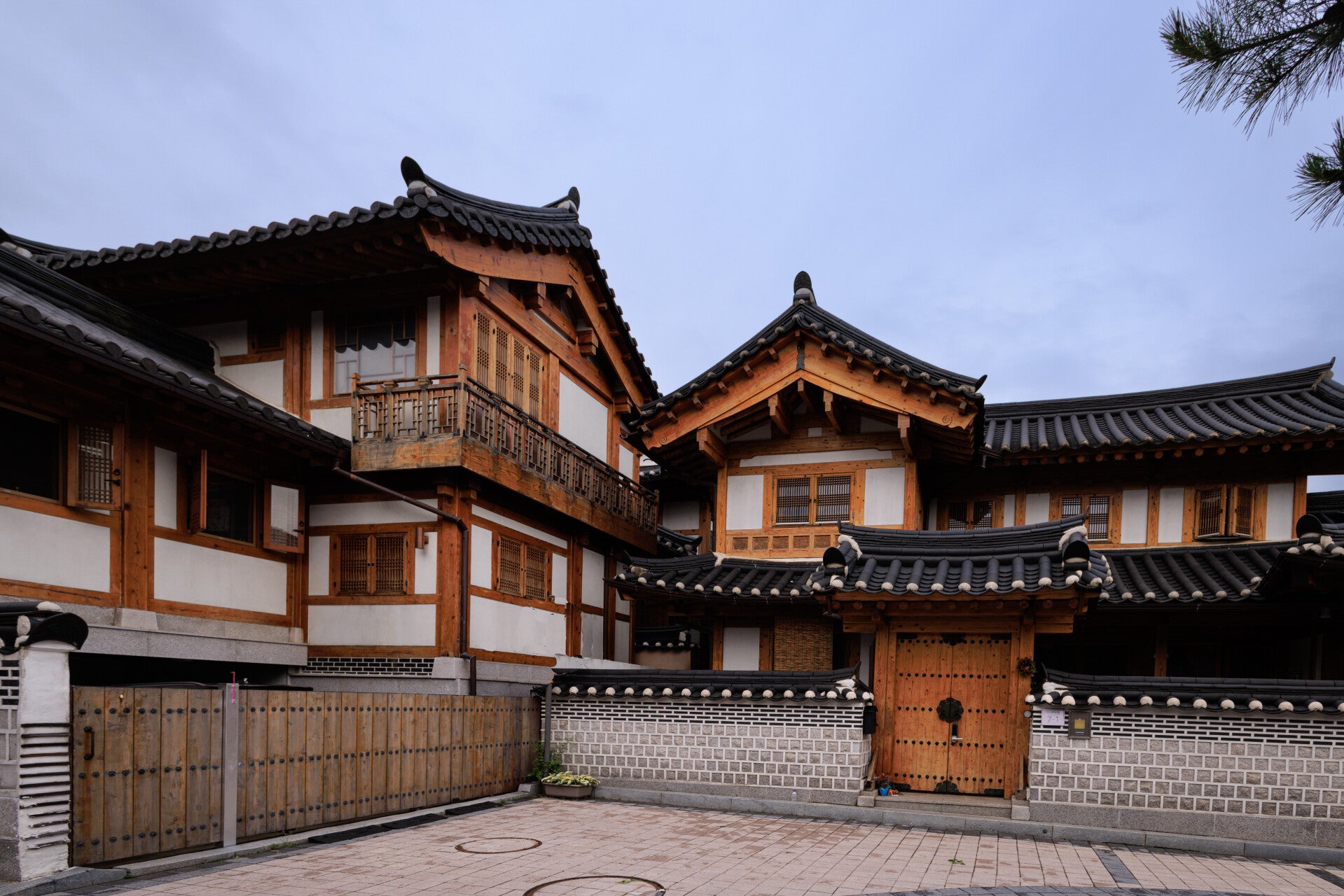
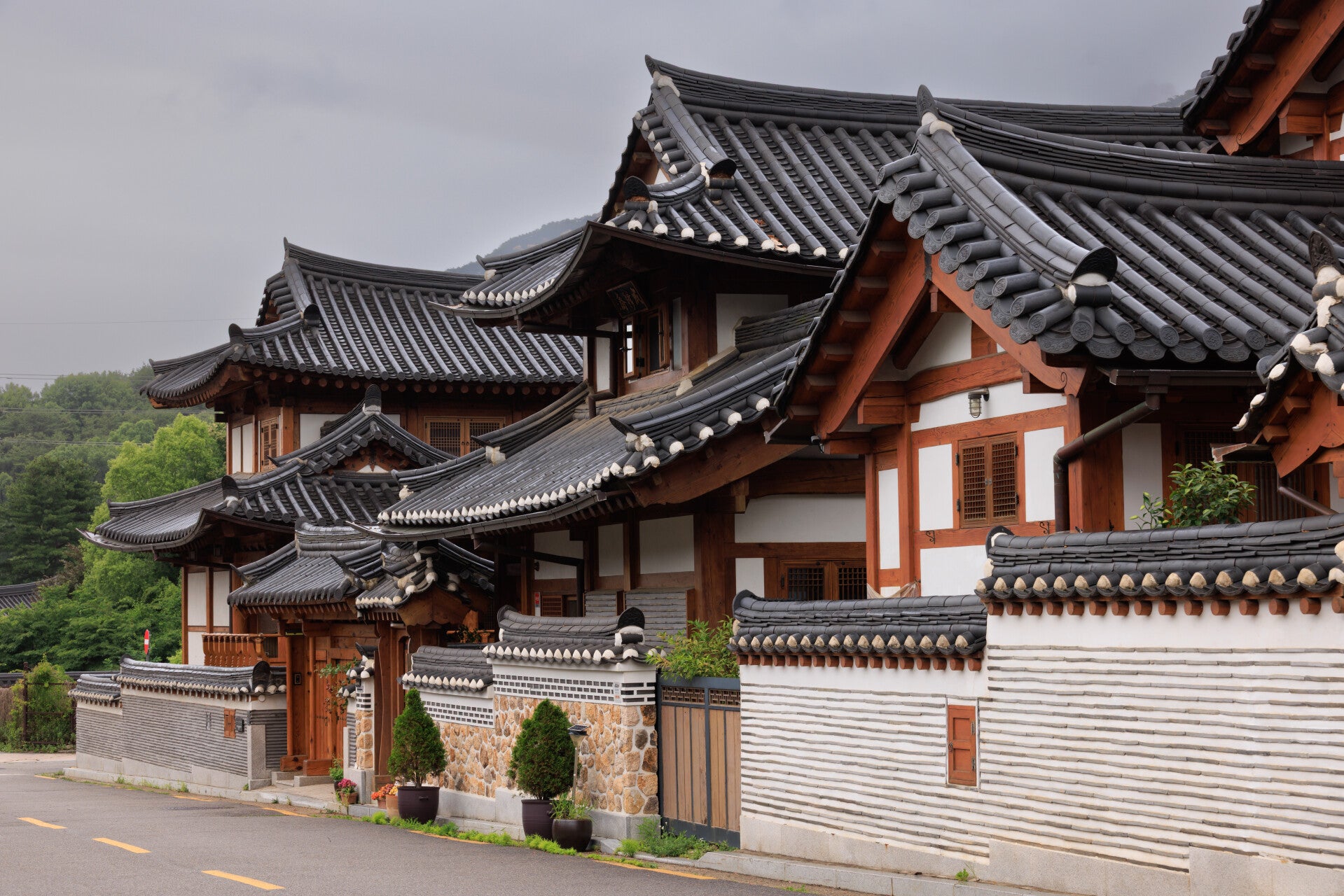
Eunpyeong Hanok Village is a modern interpretation of traditional Korean architecture. Rather than preserving the past as a museum, these homes combine the beauty of the hanok with contemporary construction and modern comforts, creating a neighbourhood where centuries-old design continues to evolve. Its quiet streets offer a unique perspective on how Korea preserves its architectural identity while shaping the future.
Royal Seoul
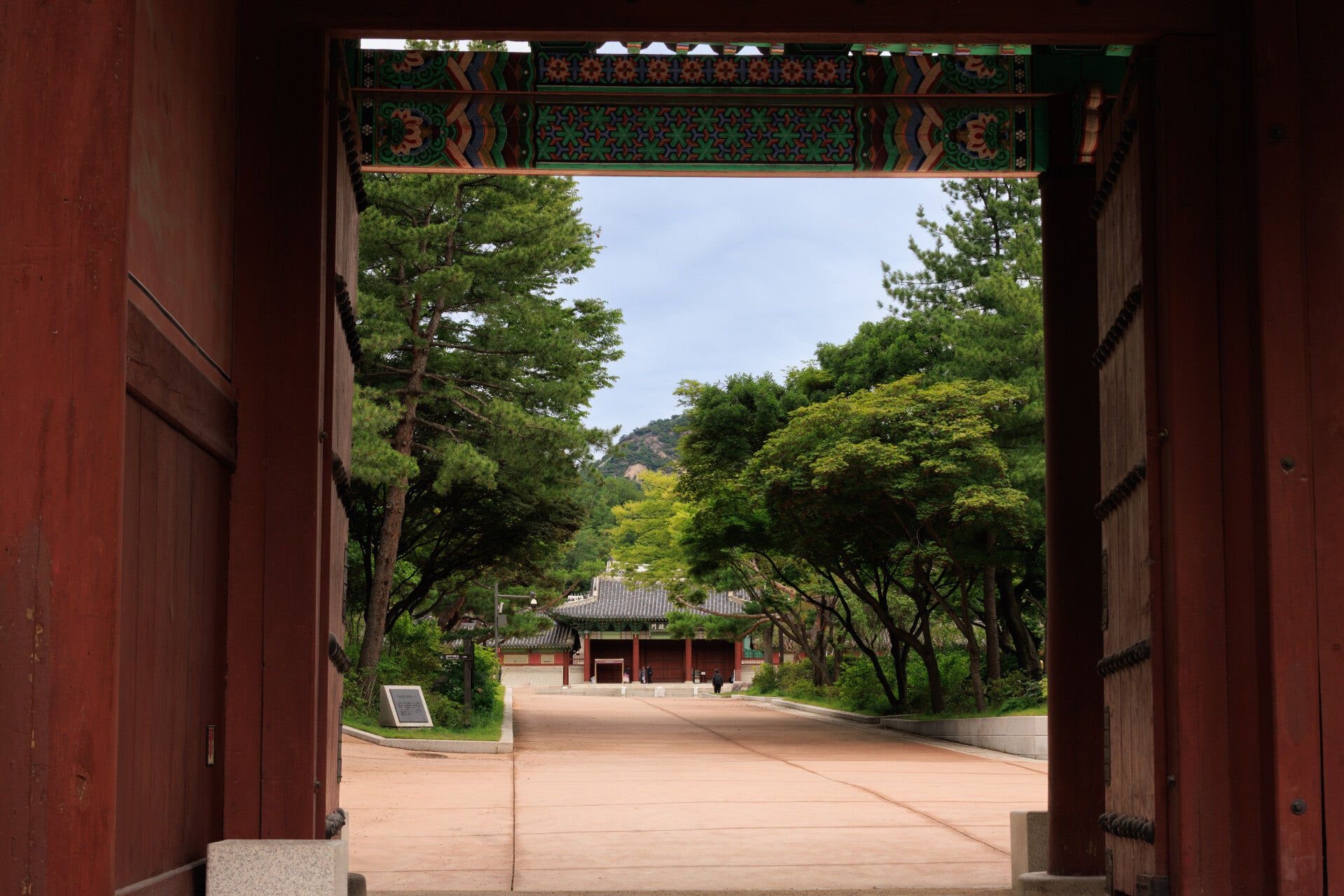
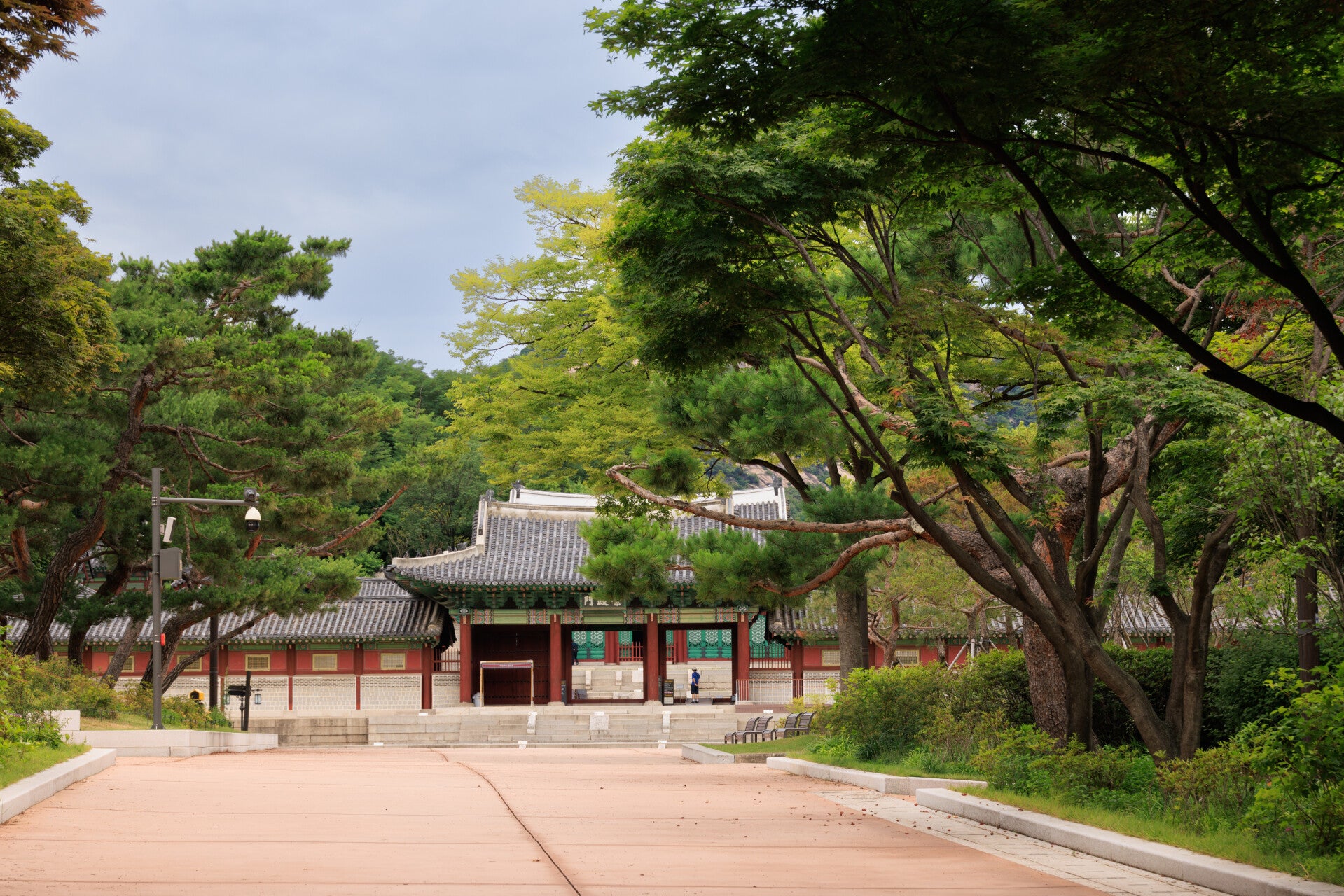
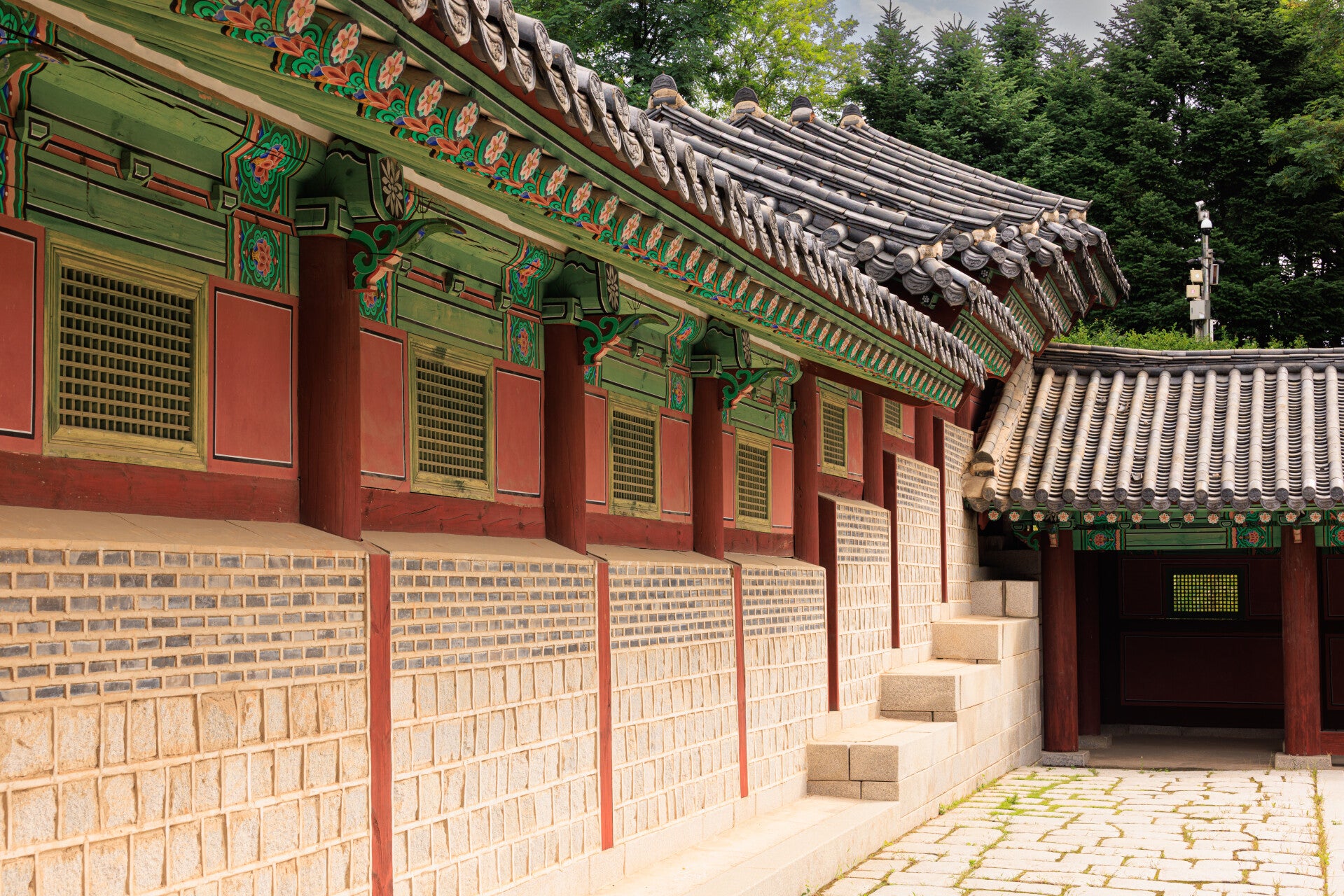
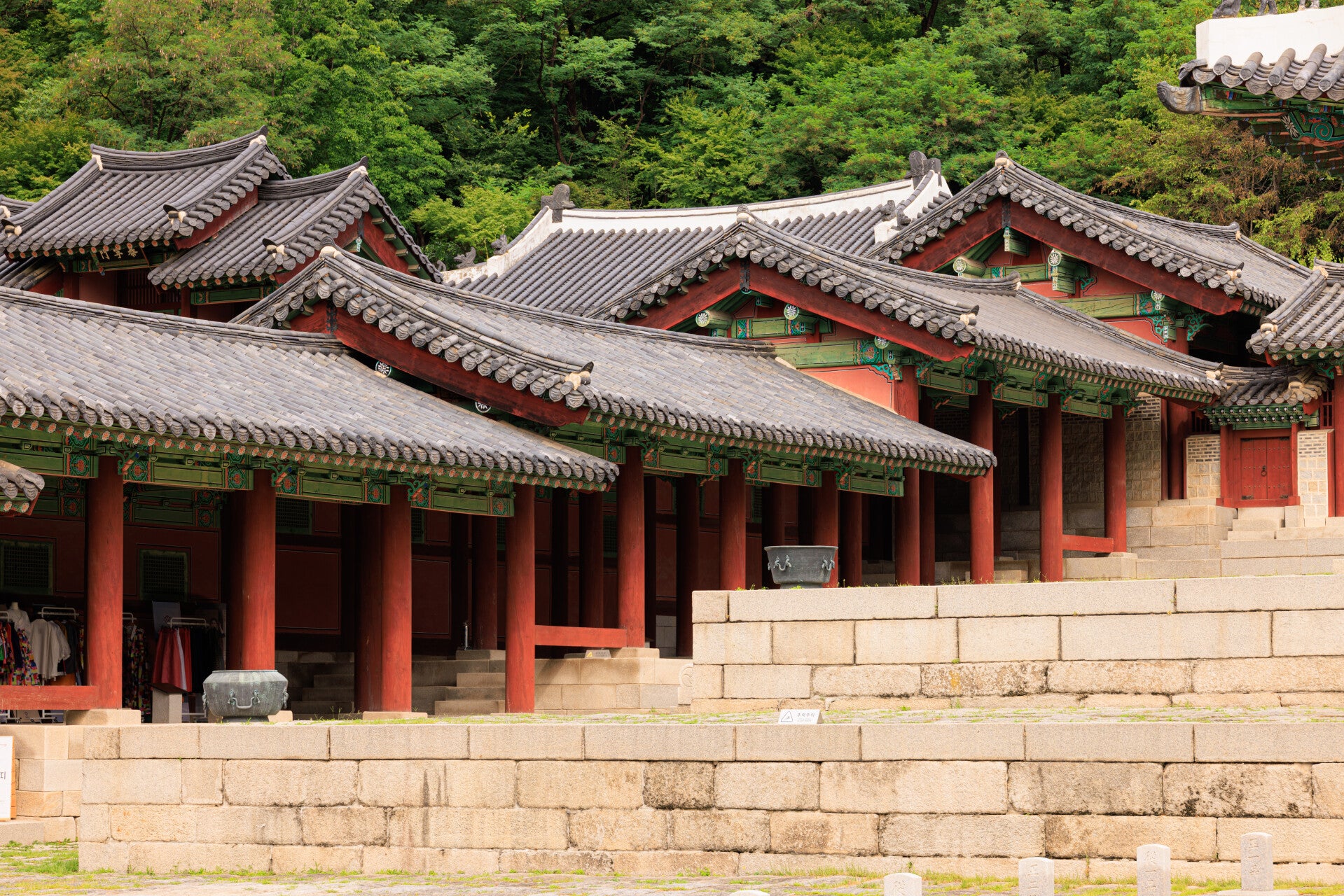
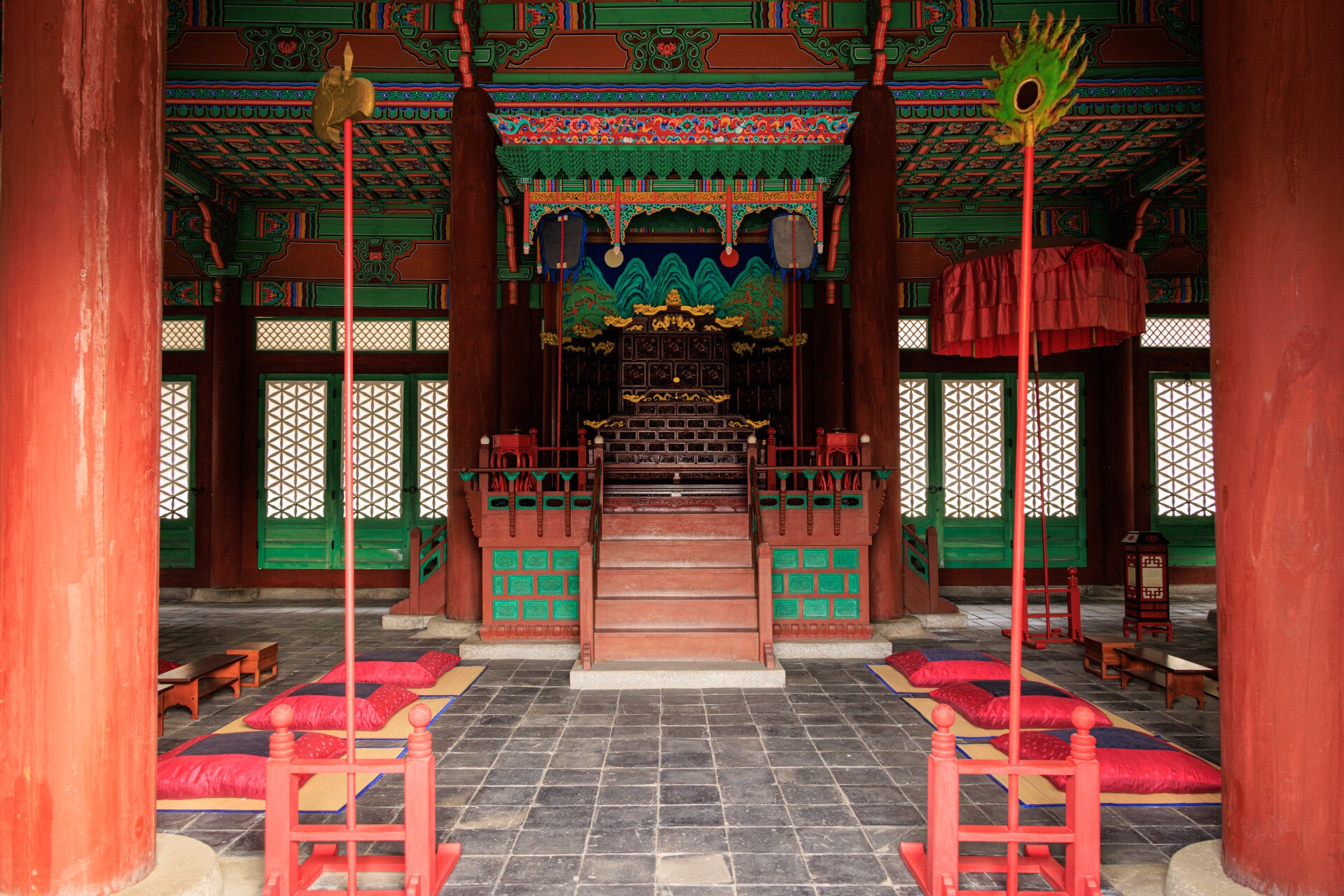
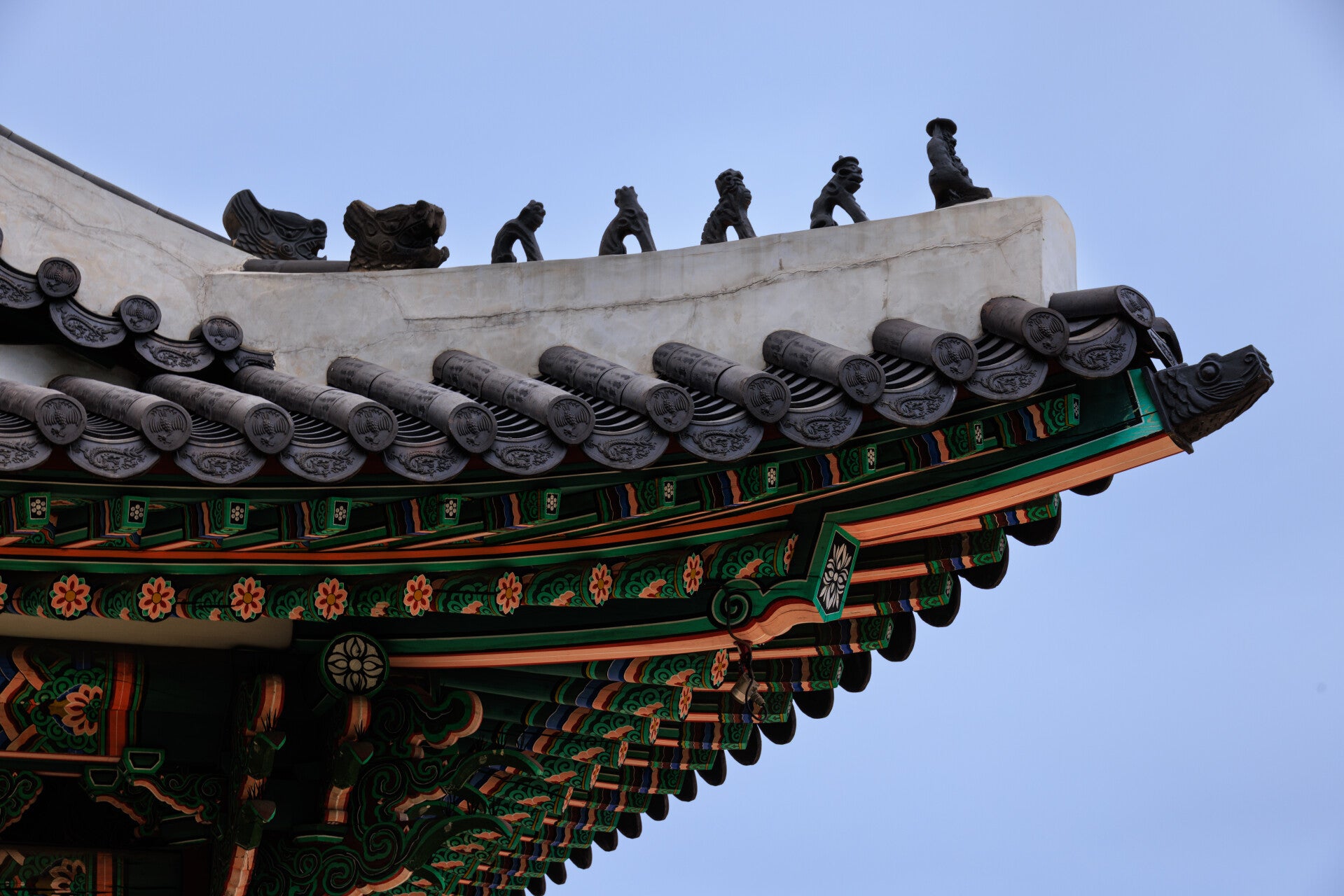
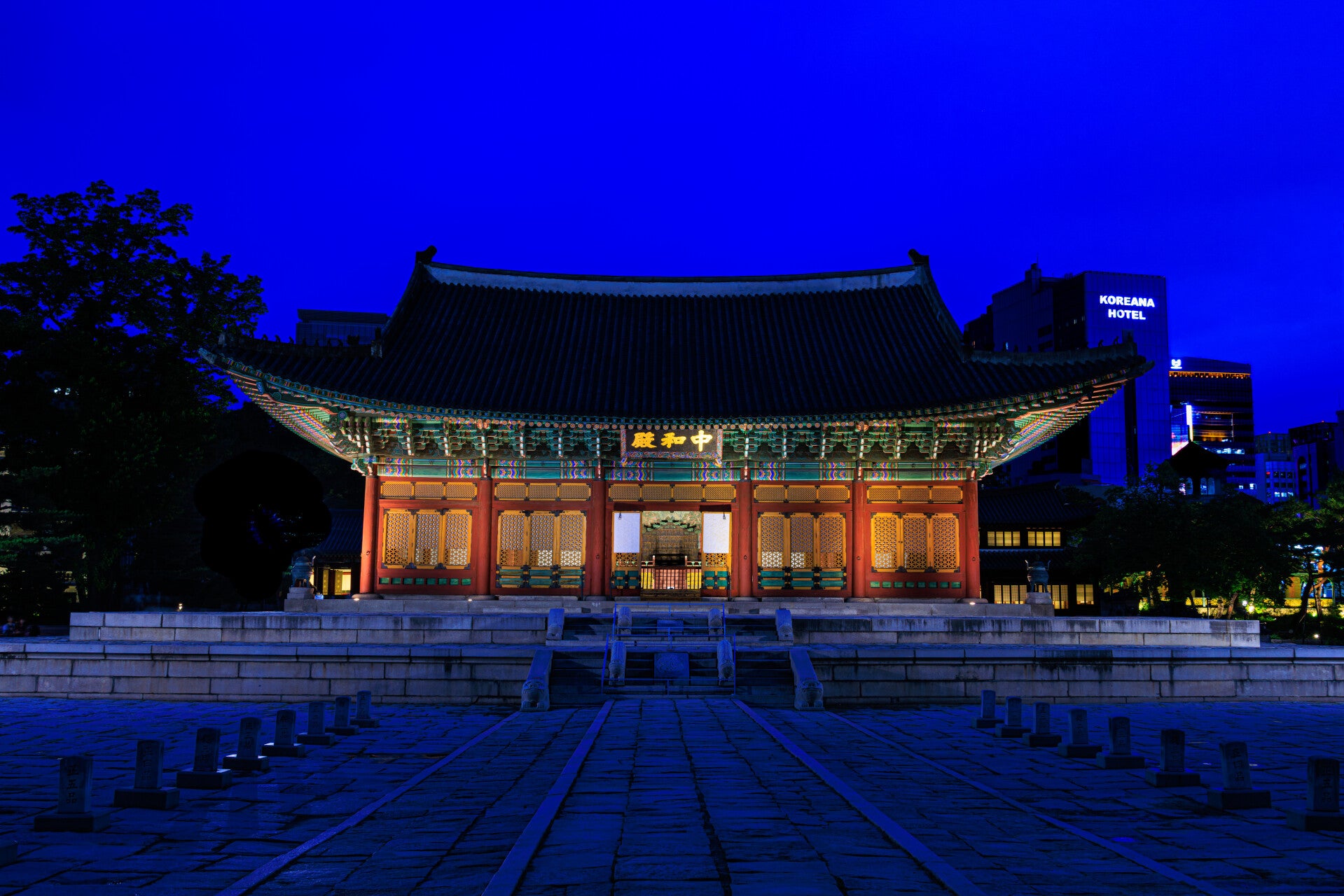
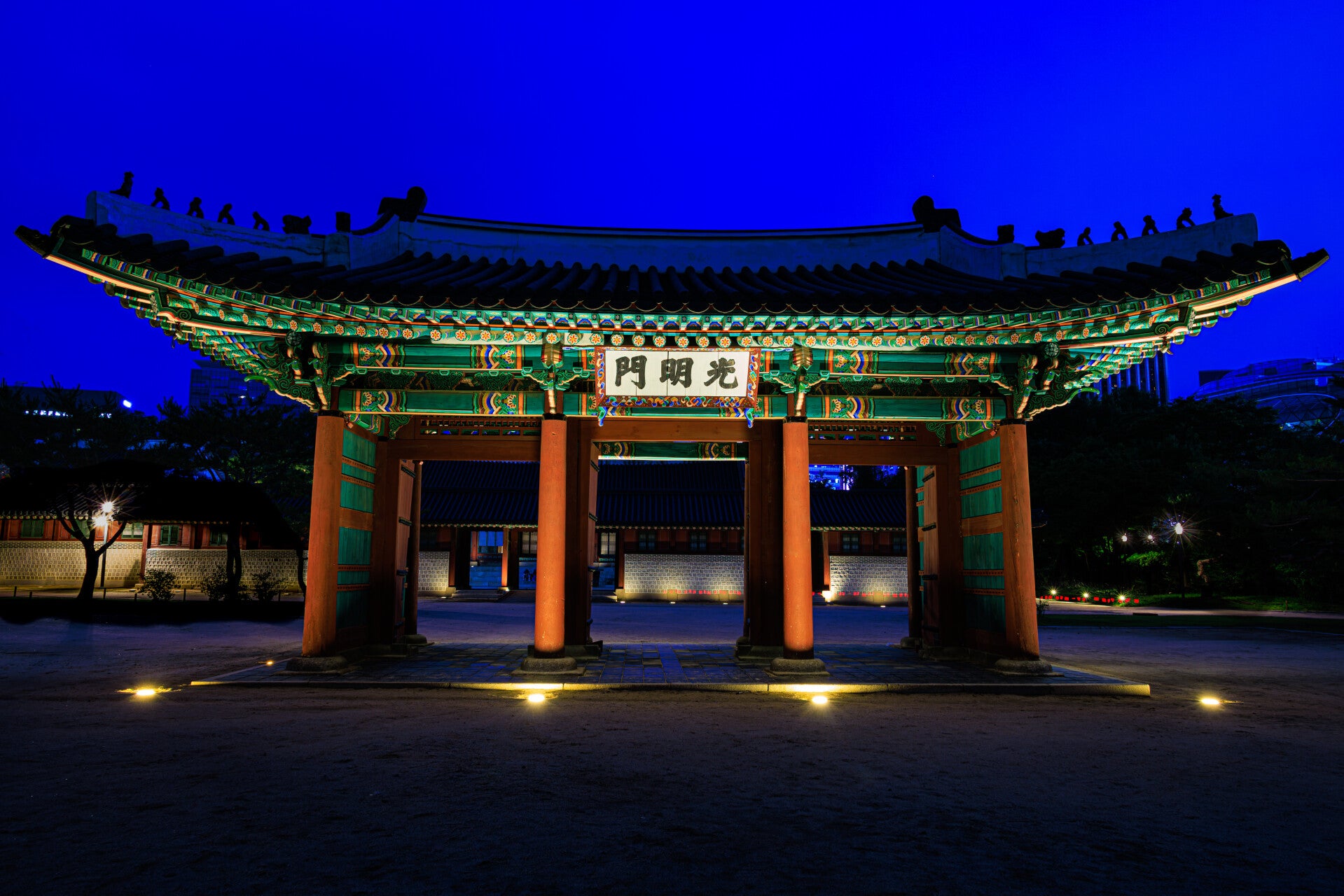
Amid Seoul's glass towers and bustling streets, the city's royal palaces offer moments of quiet reflection. Deoksugung Palace stands at the meeting point of old and new, where centuries of history unfold against a backdrop of modern skyscrapers. Gyeonghuigung Palace, one of Seoul's lesser-visited royal residences, provides a more intimate glimpse into Korea's royal past, away from the crowds. Together, they reveal the enduring elegance of the Joseon Dynasty and the remarkable way history continues to coexist with one of Asia's most dynamic capitals.
Sacred Spaces
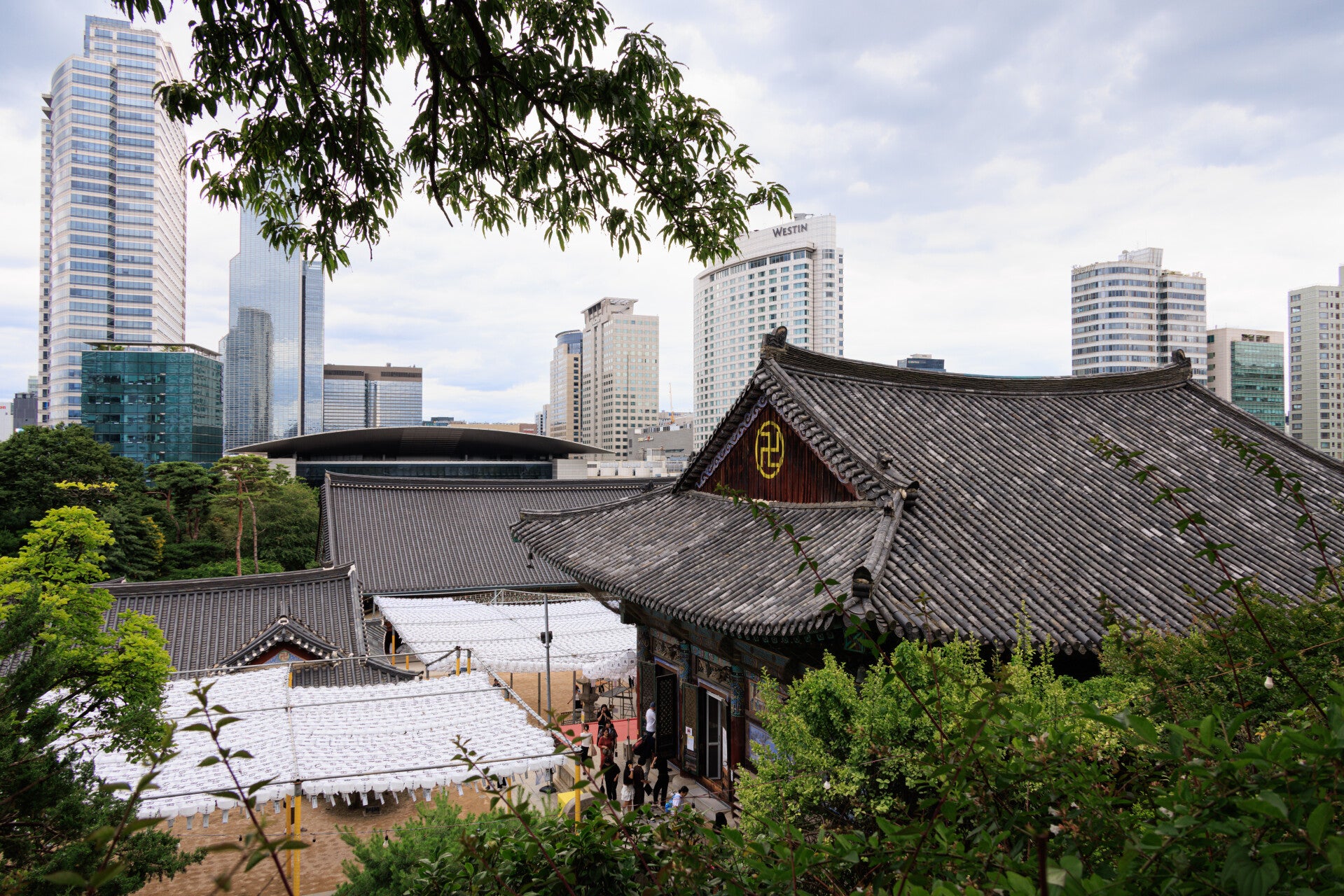
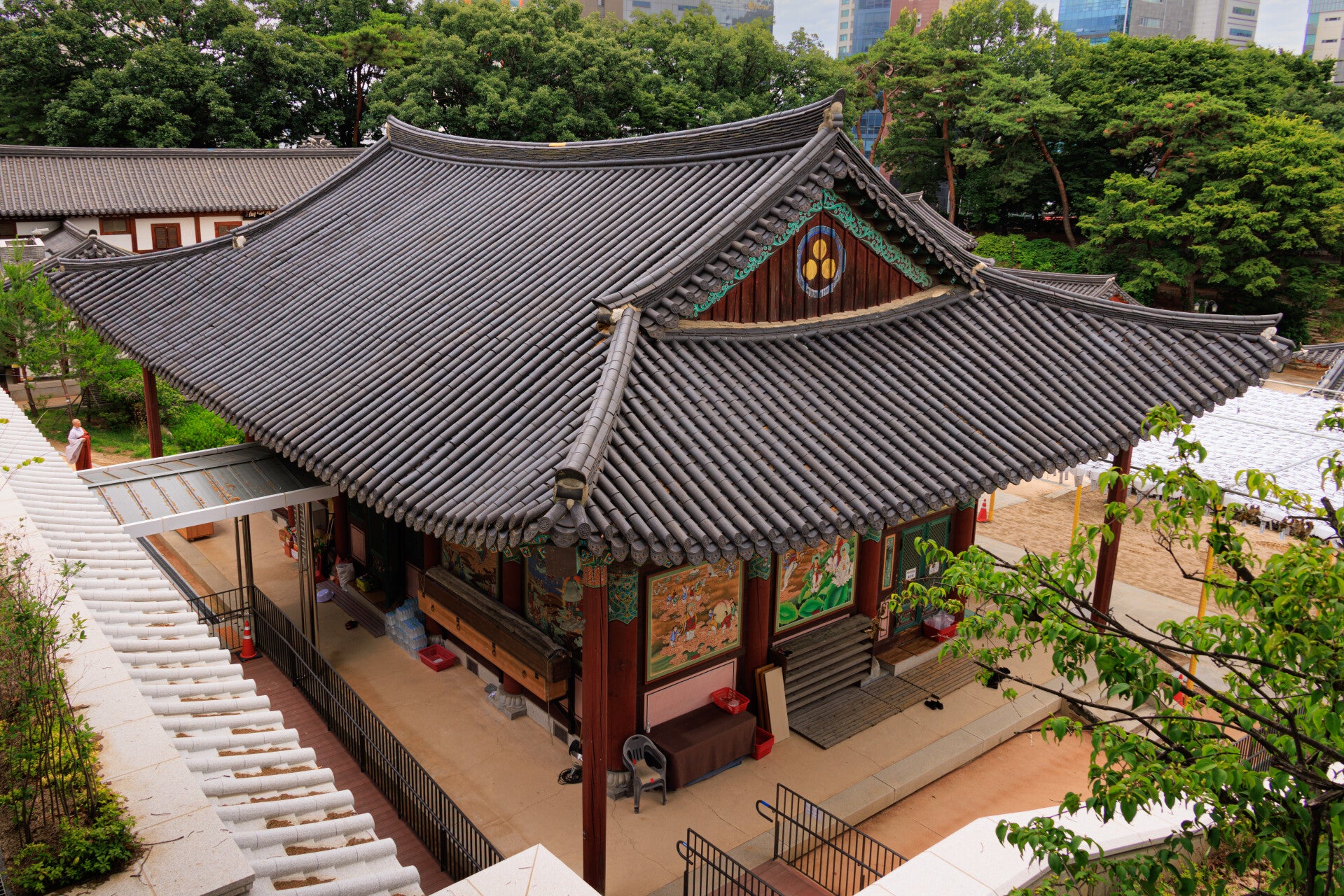
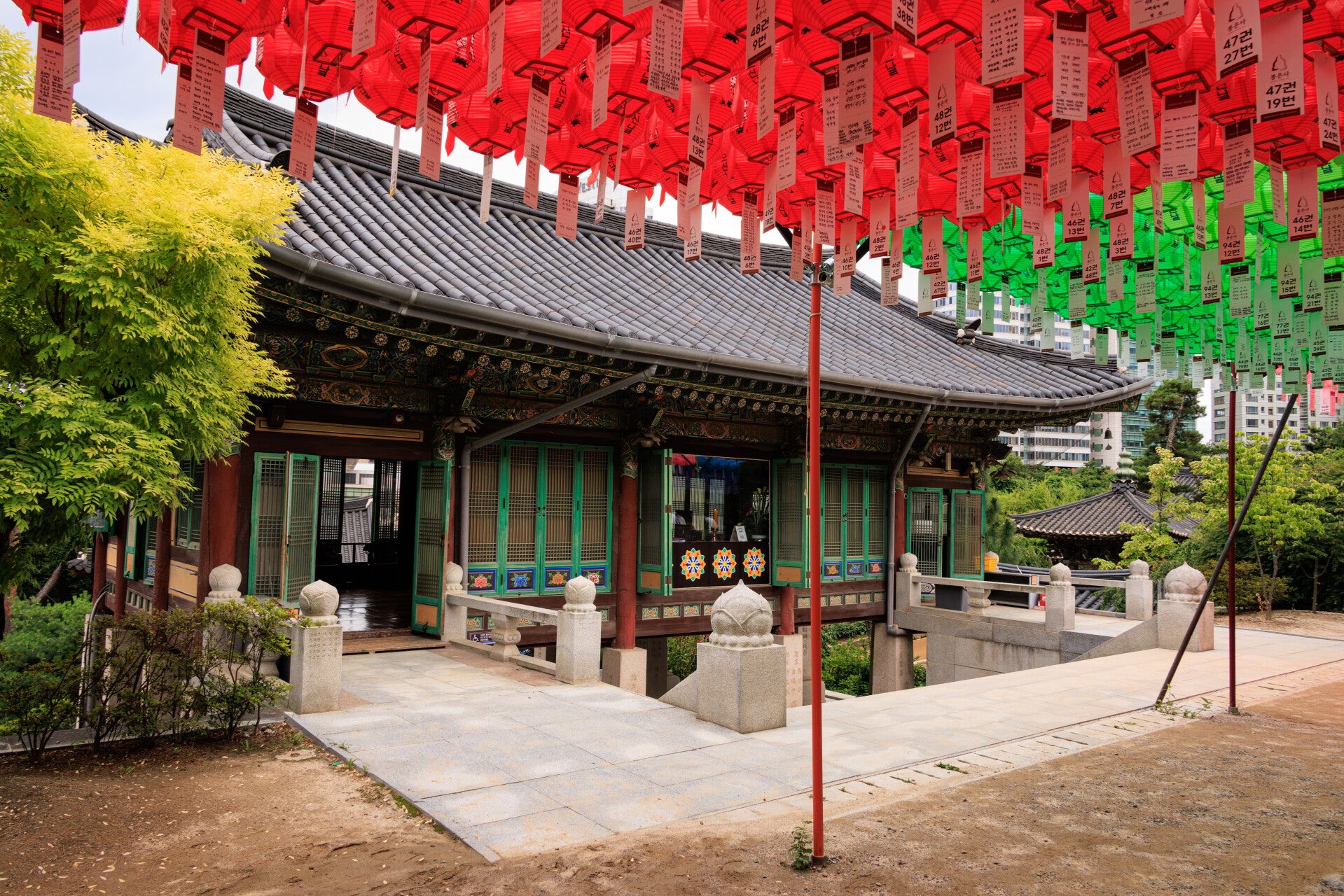
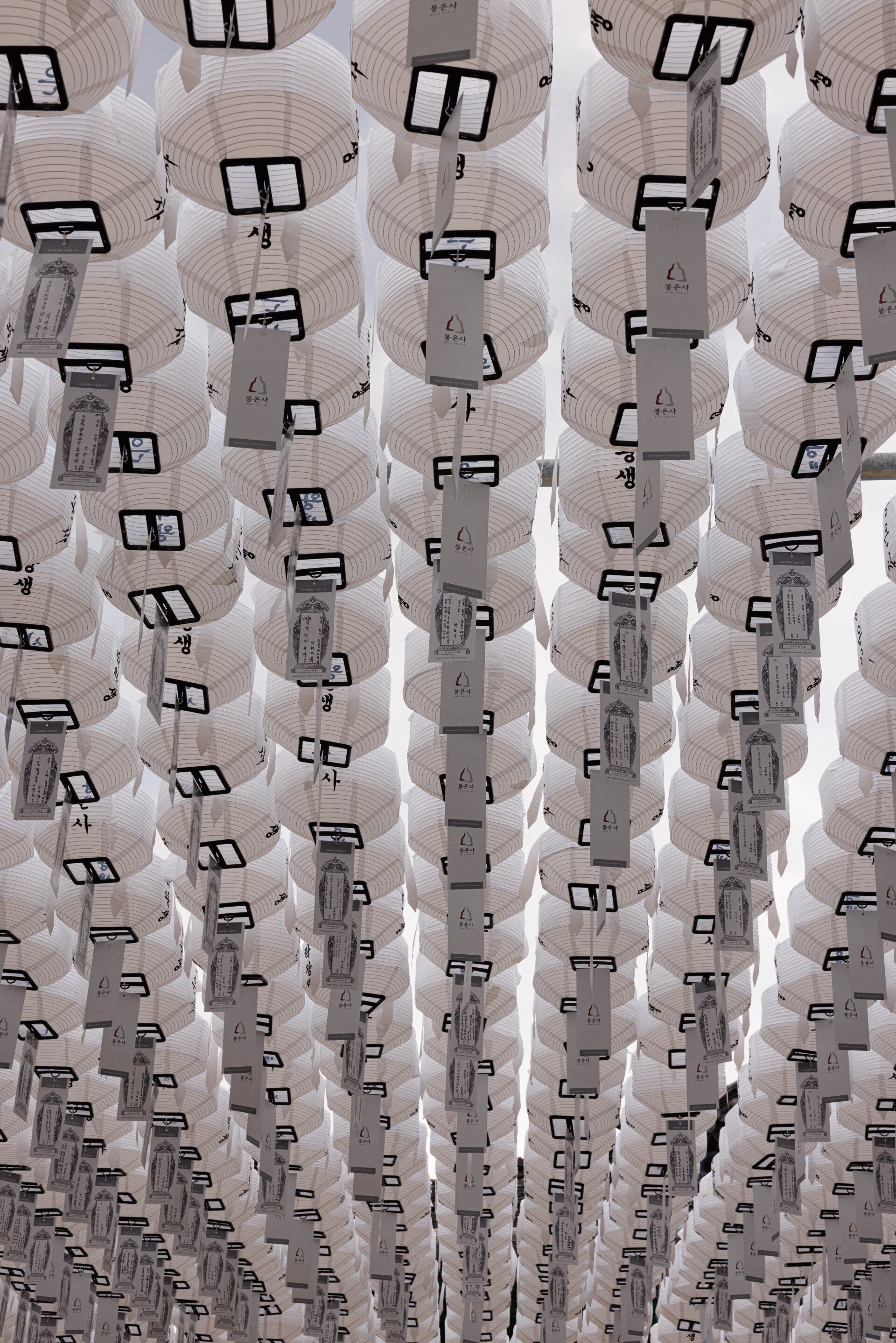
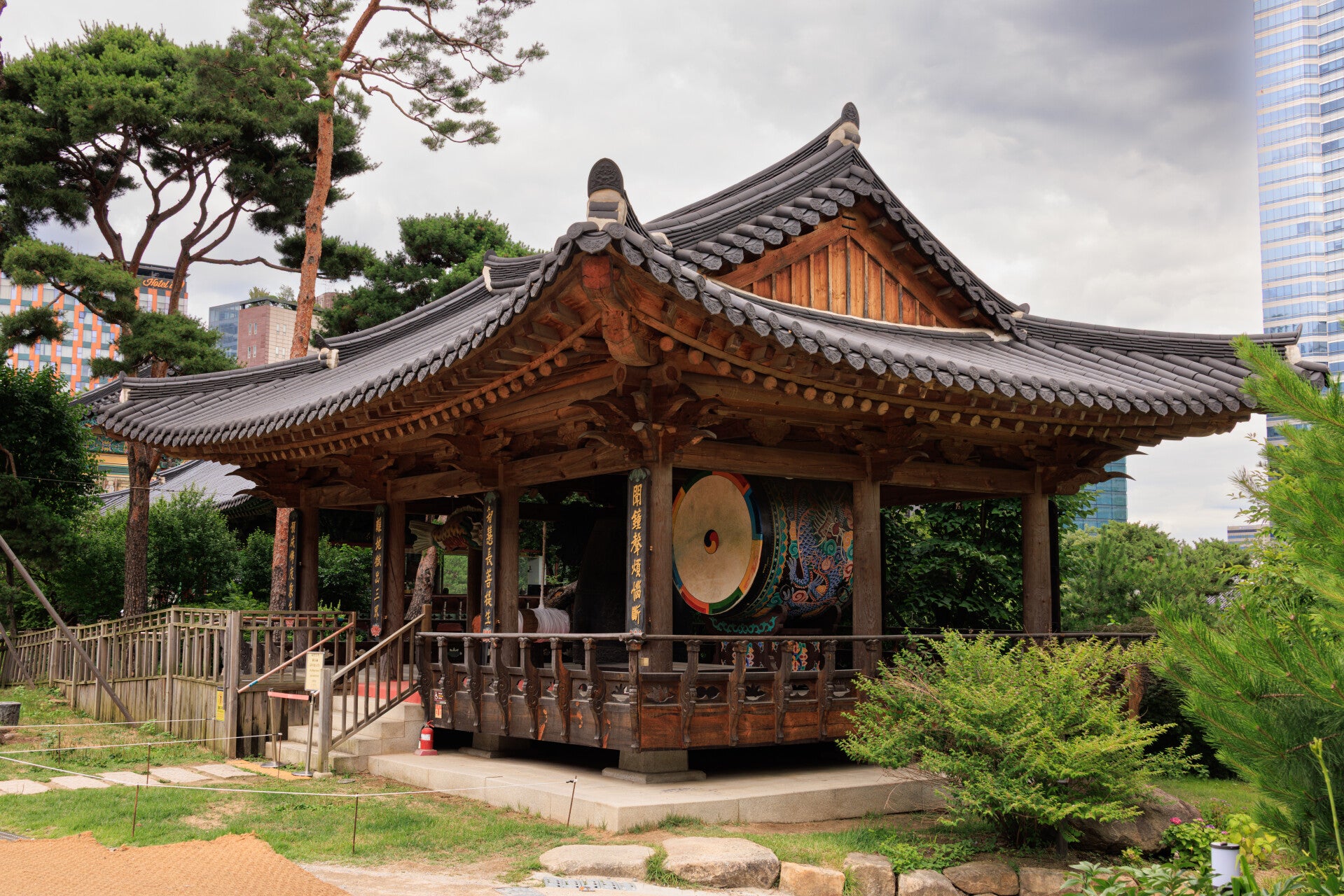
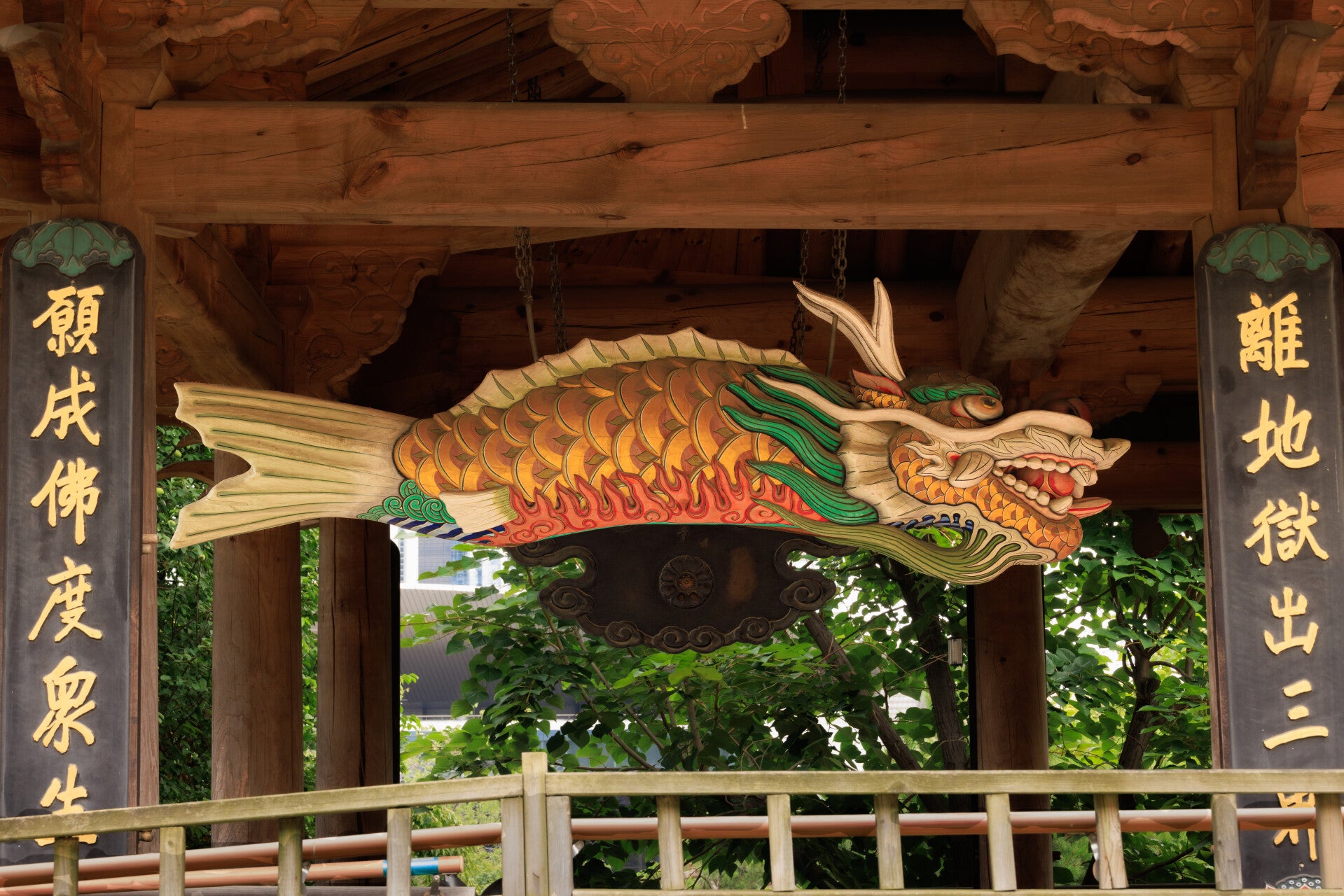
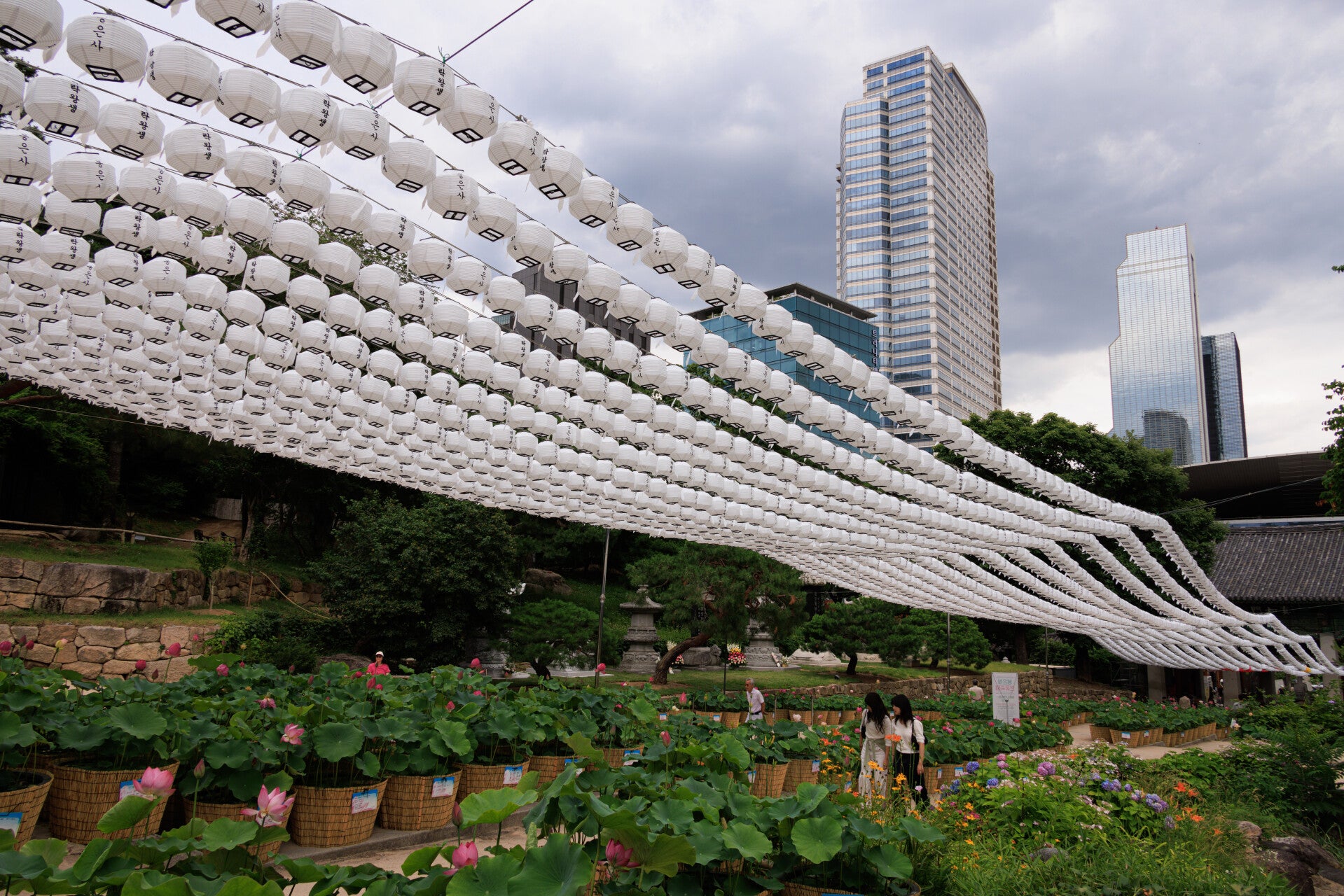
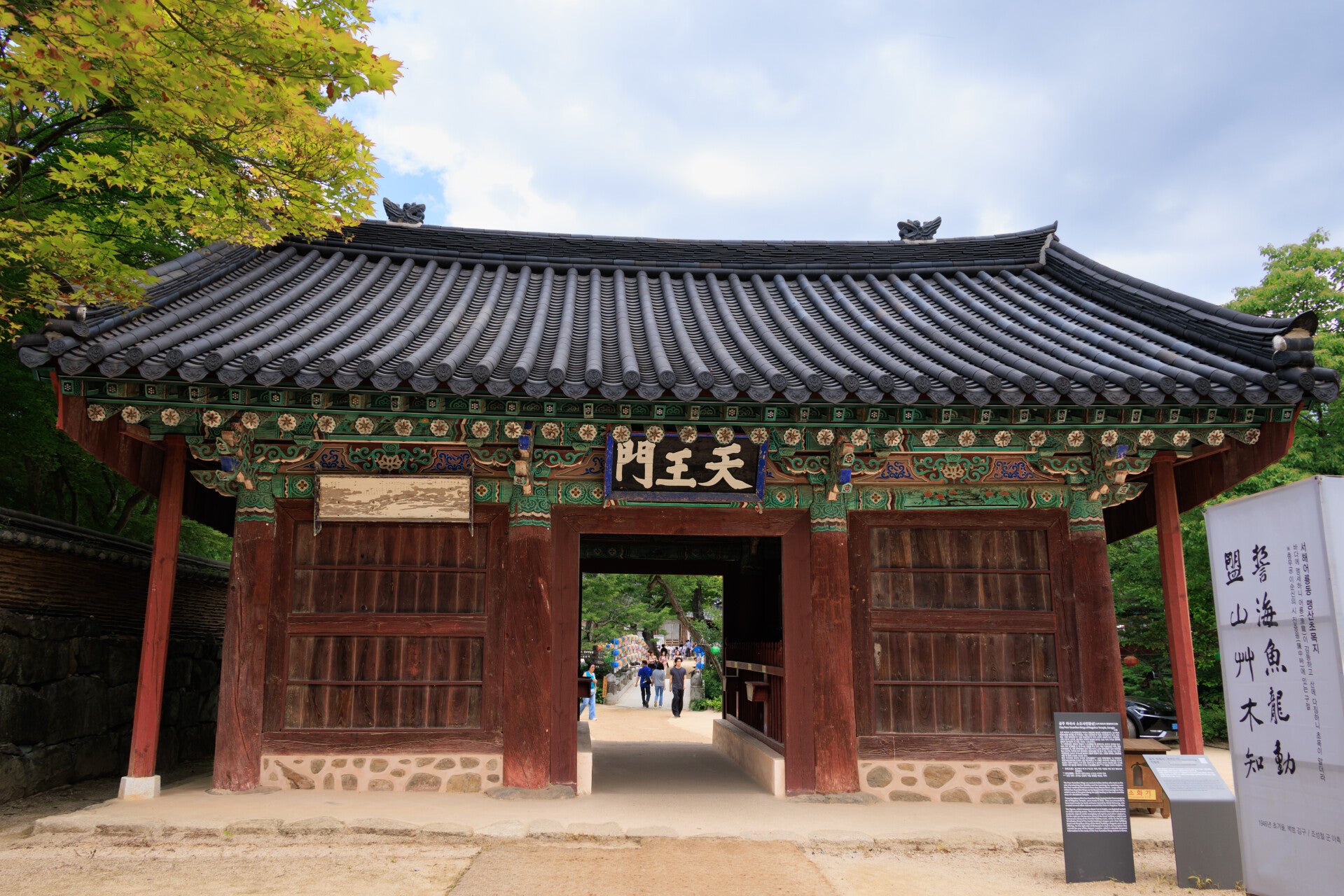
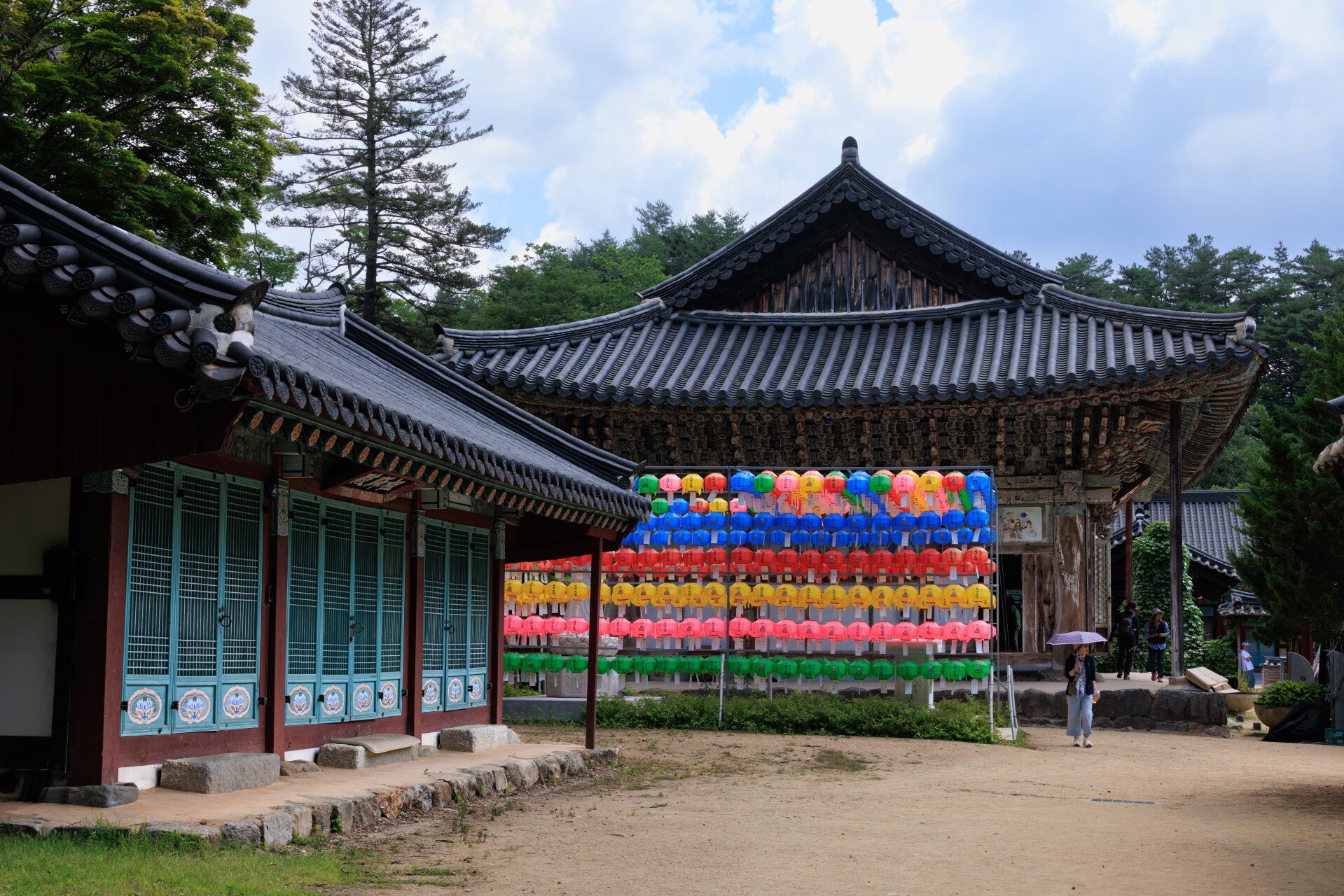
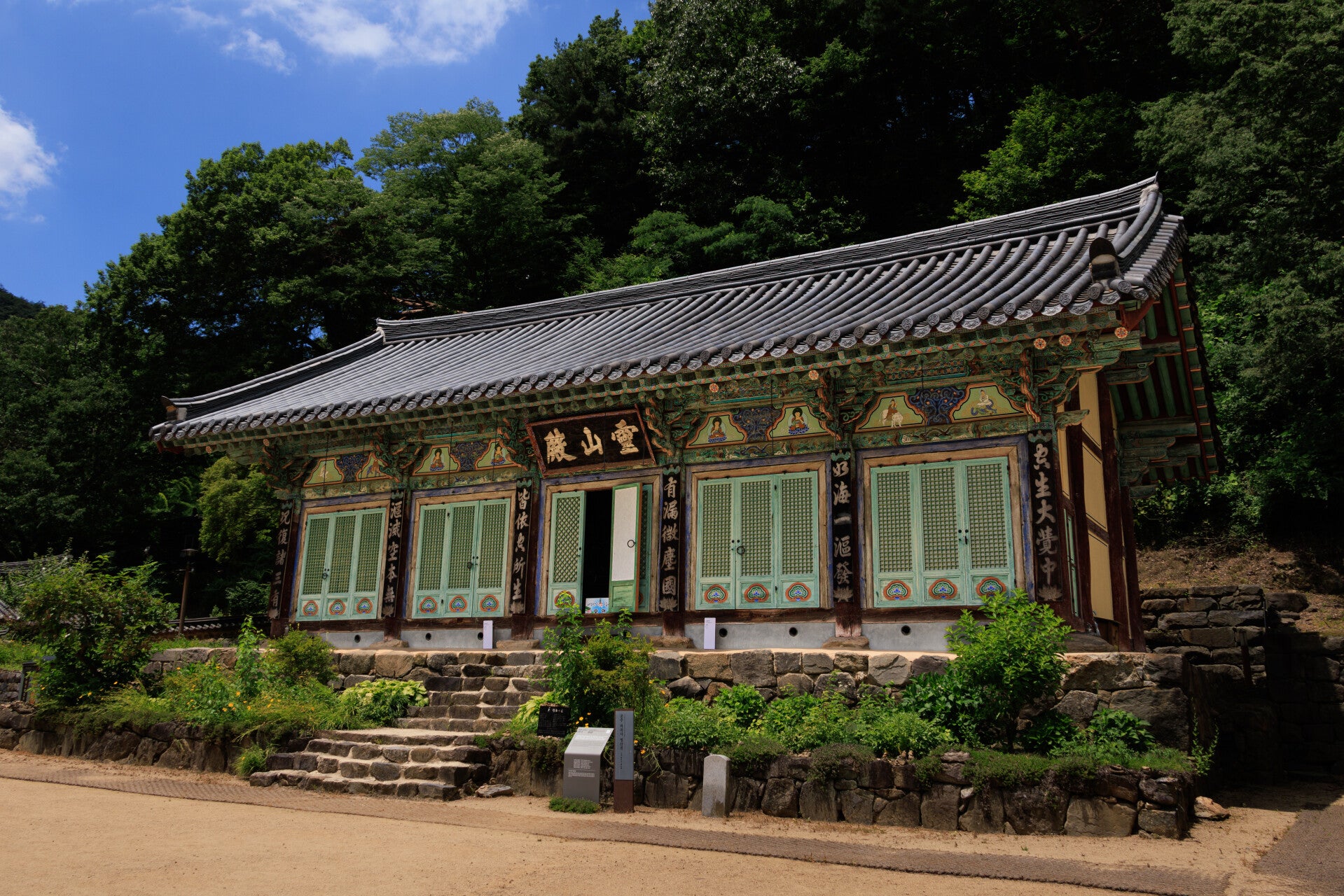
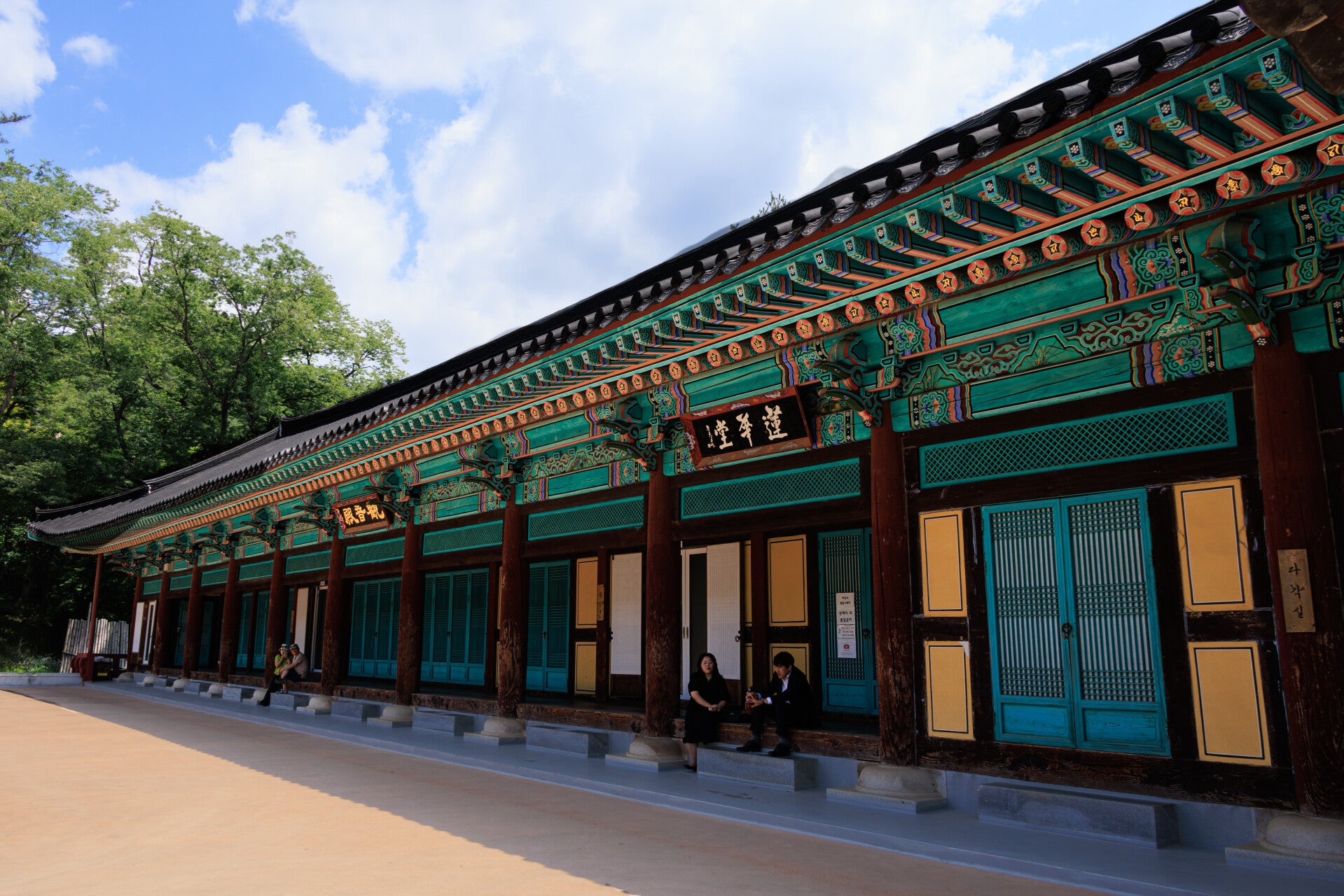
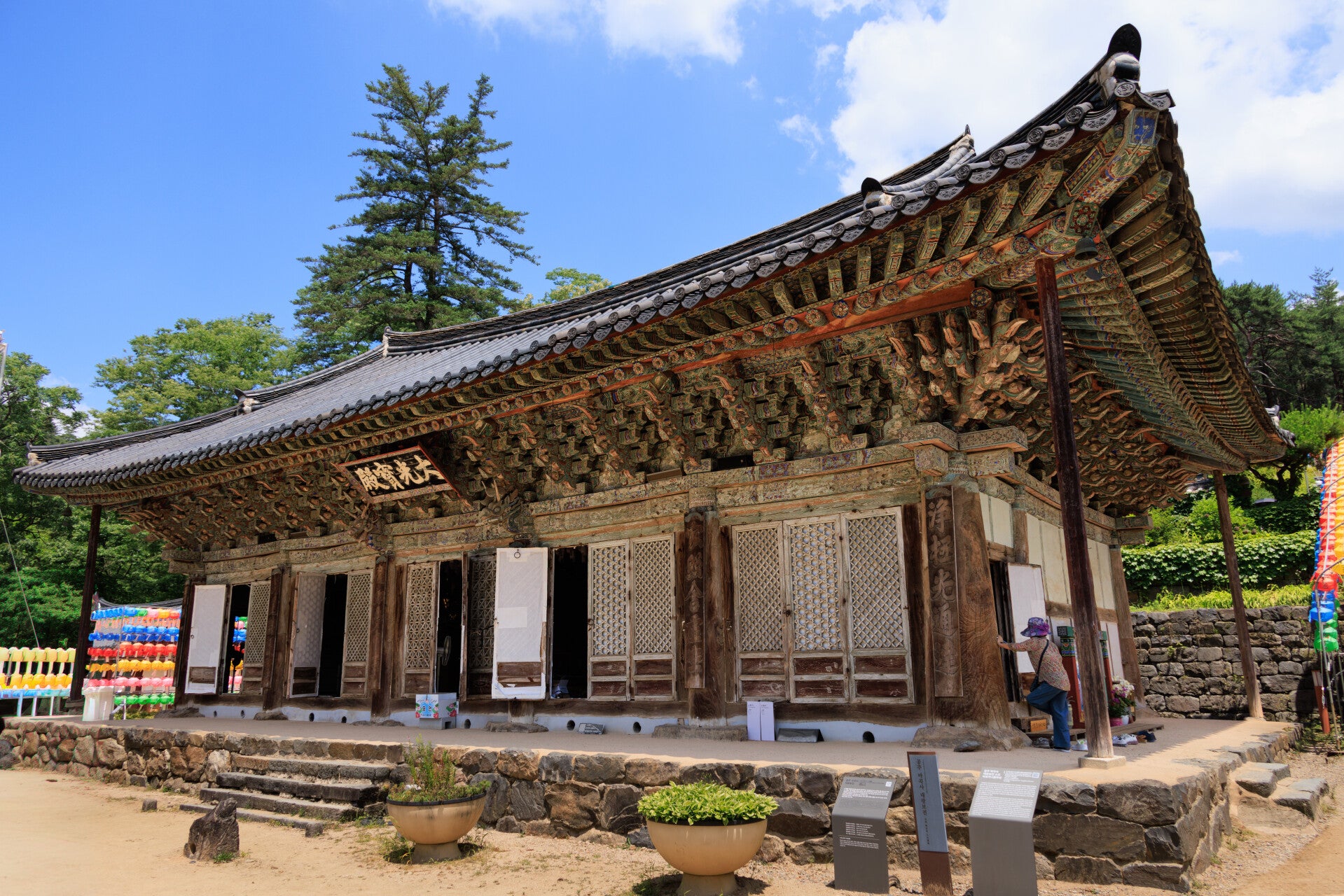
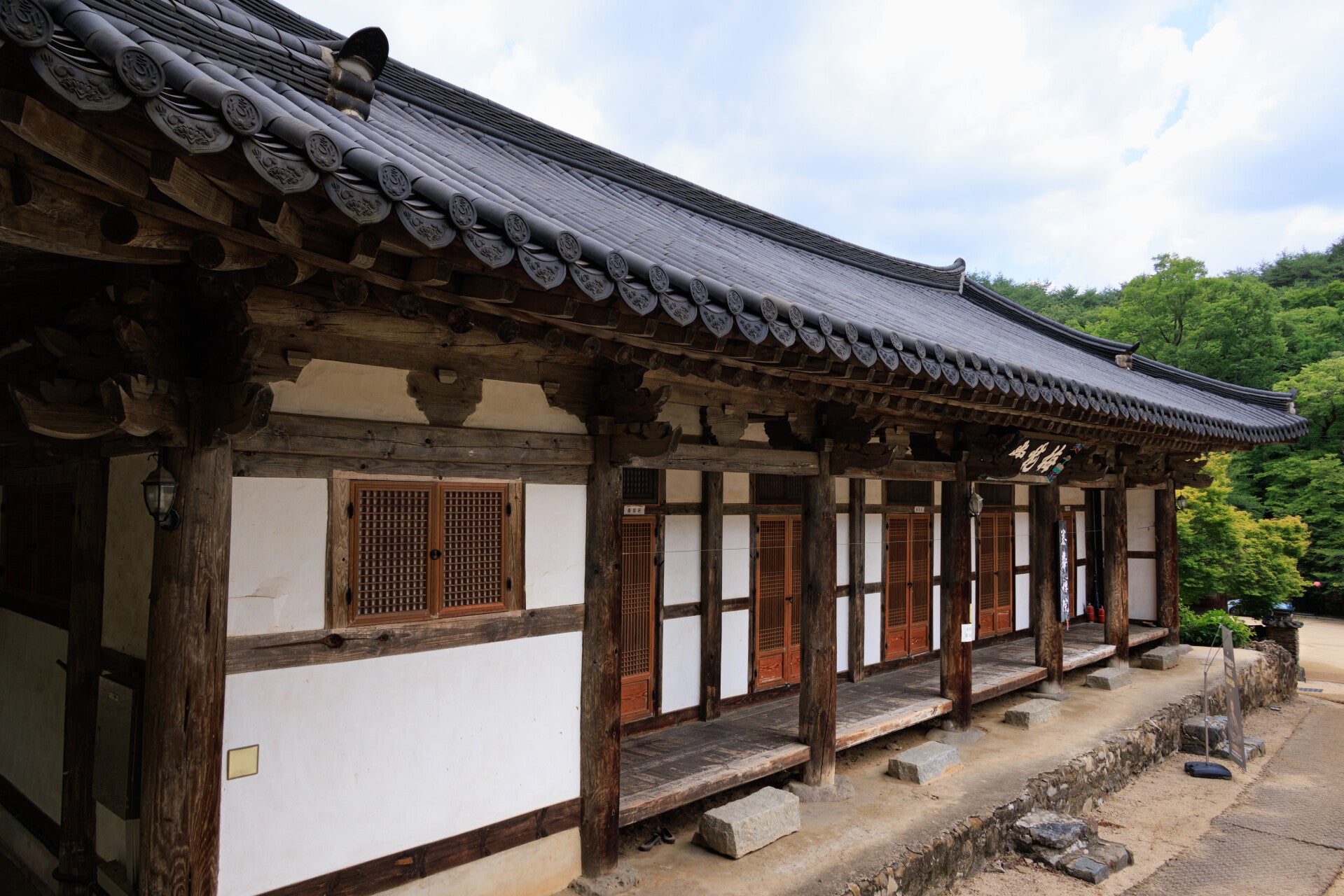
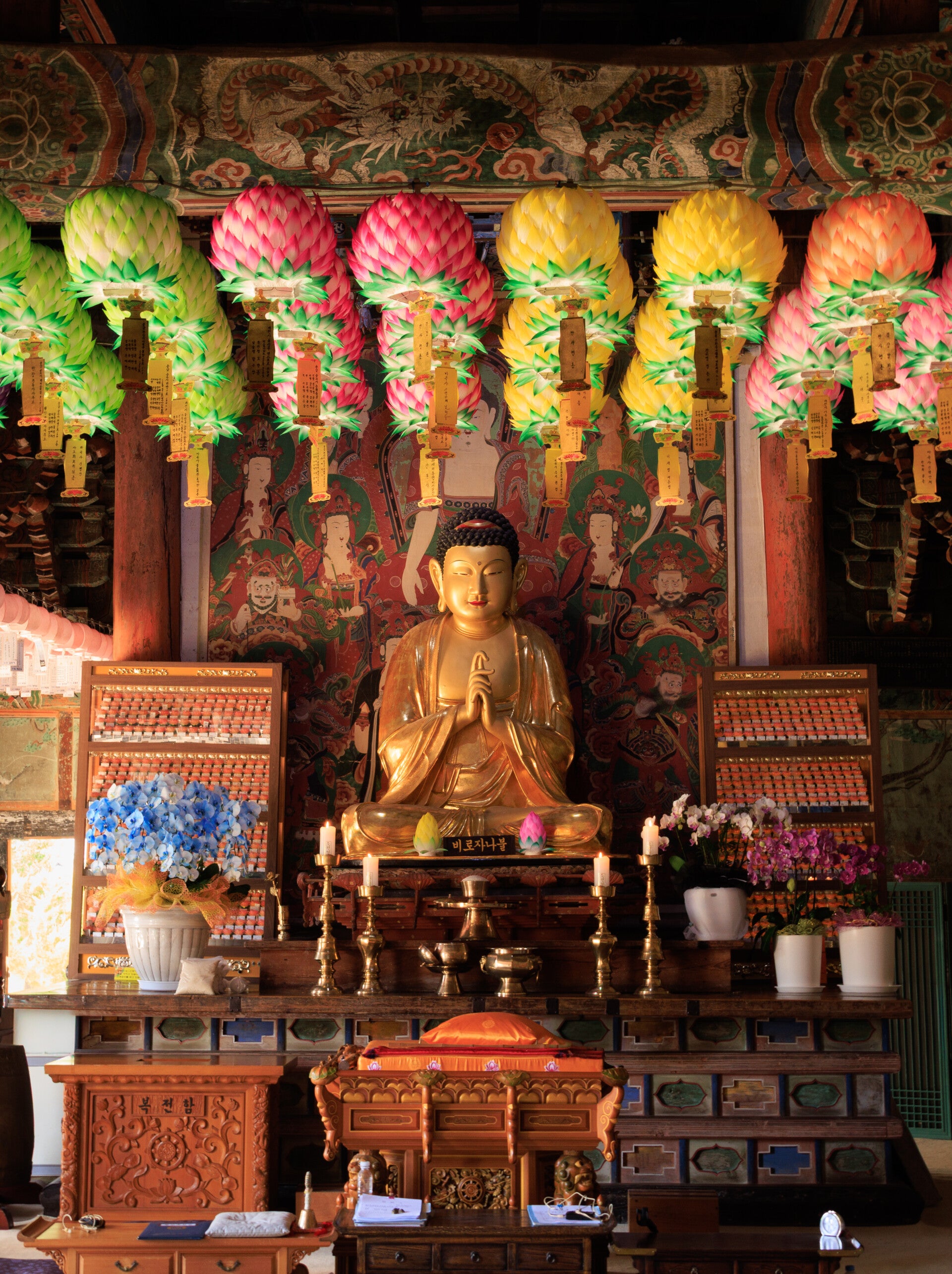
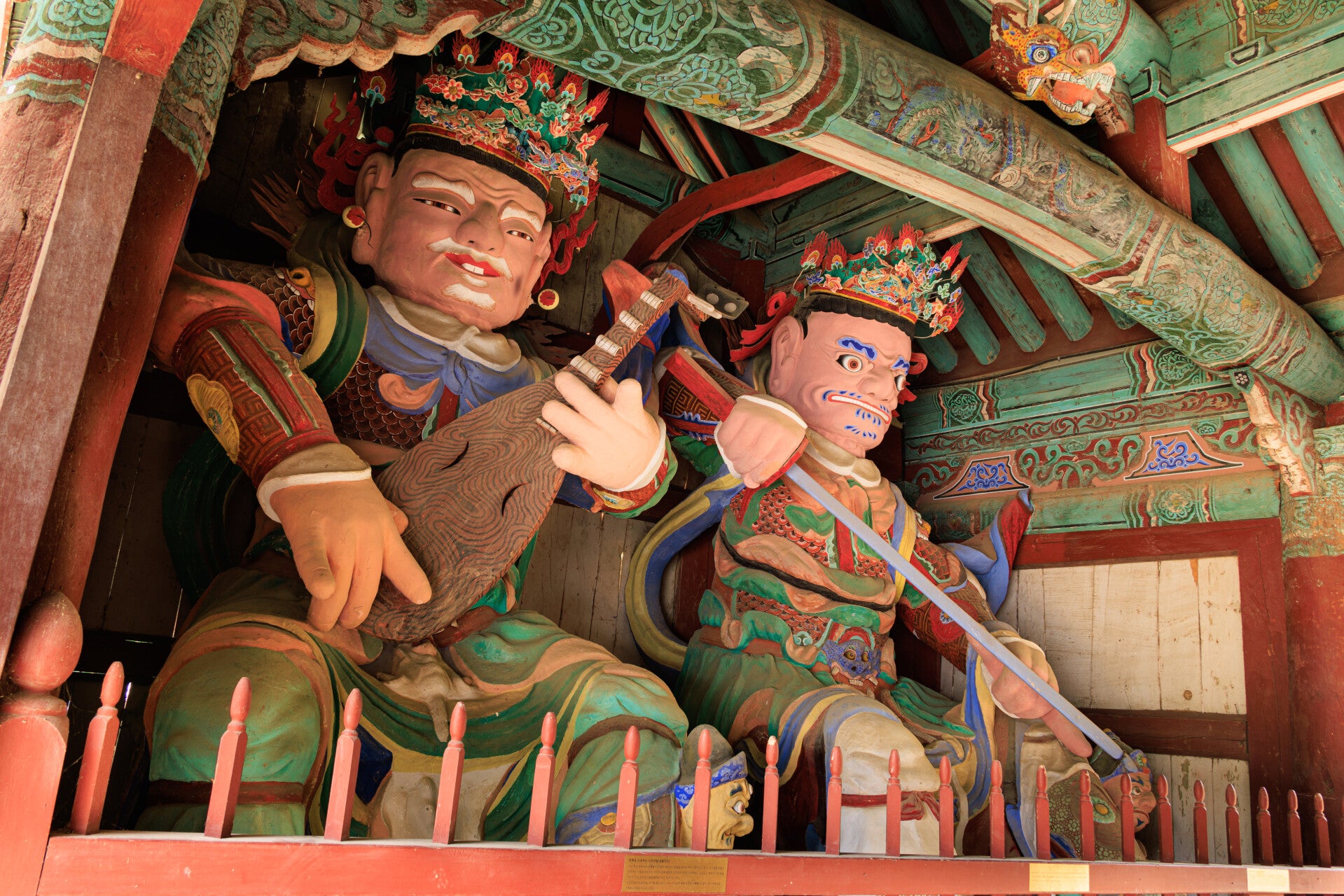
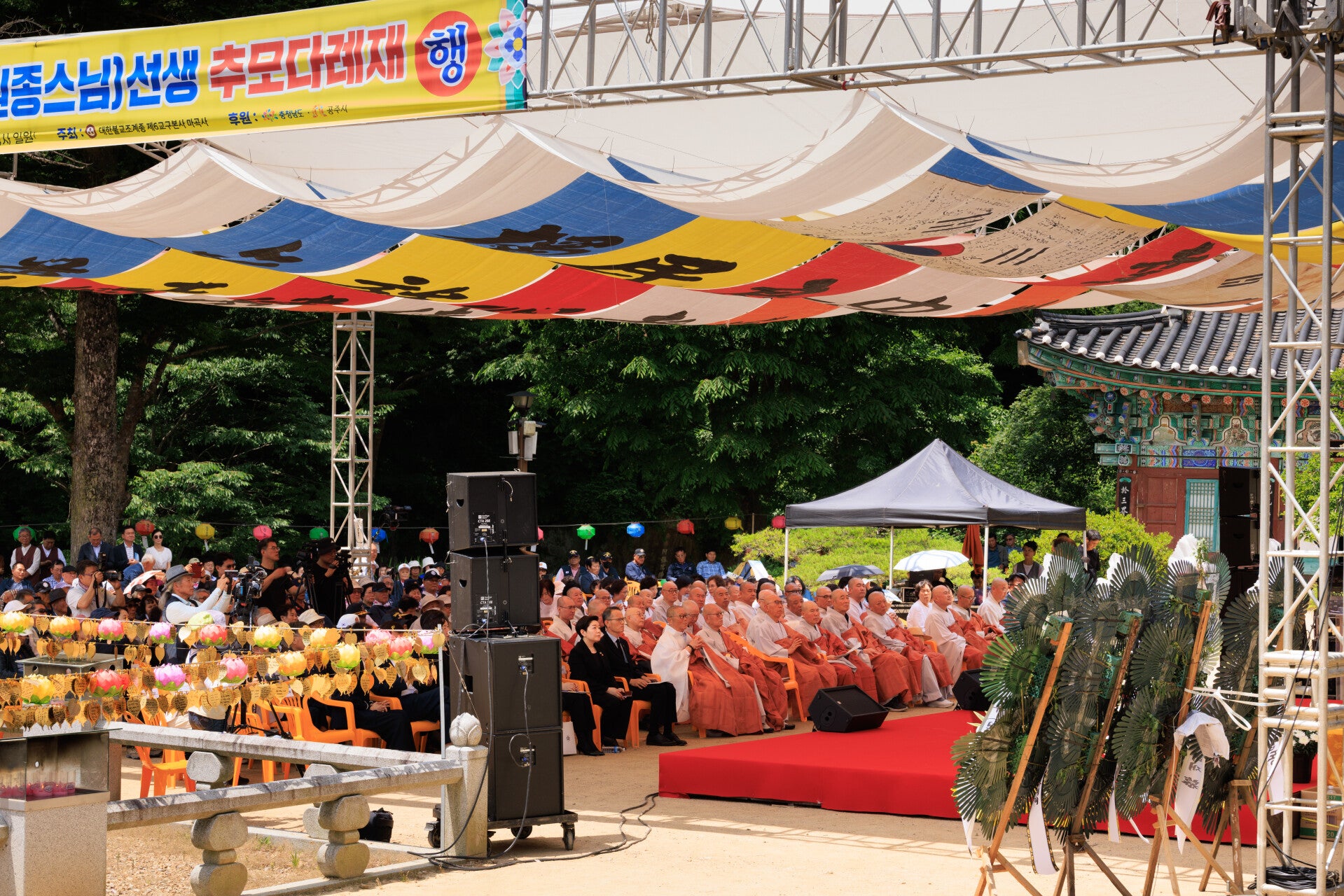
From the heart of bustling Seoul to the tranquil forests of the countryside, Korea's Buddhist temples offer places of quiet reflection and timeless beauty. Bongeunsa Temple stands in striking contrast to the city's modern skyline, while Magoksa Temple is nestled among wooded hills, where nature and spirituality exist in harmony. Together, they reveal how centuries-old traditions continue to shape everyday life, offering moments of peace, contemplation and enduring cultural heritage.
Lotus Season
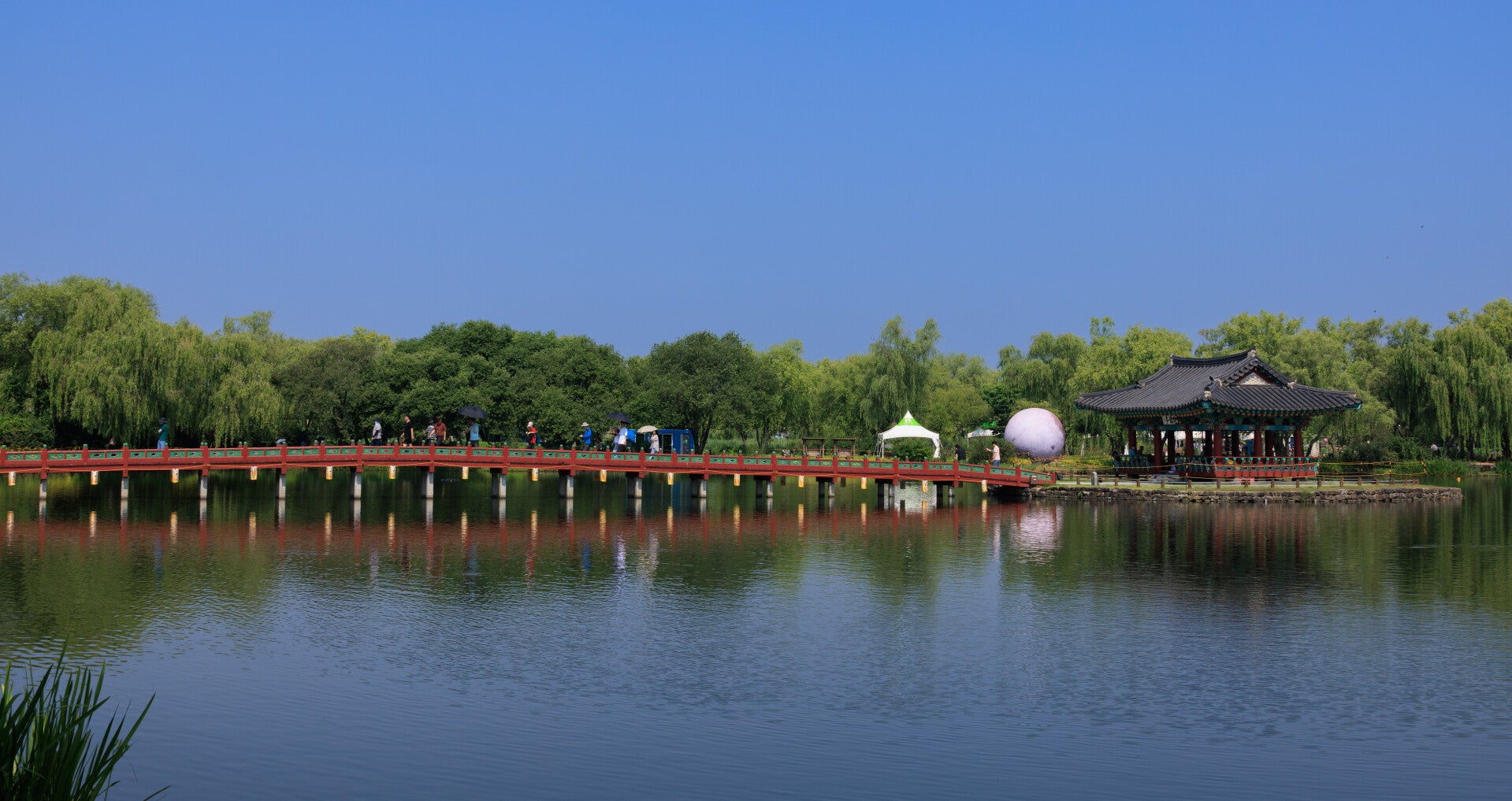
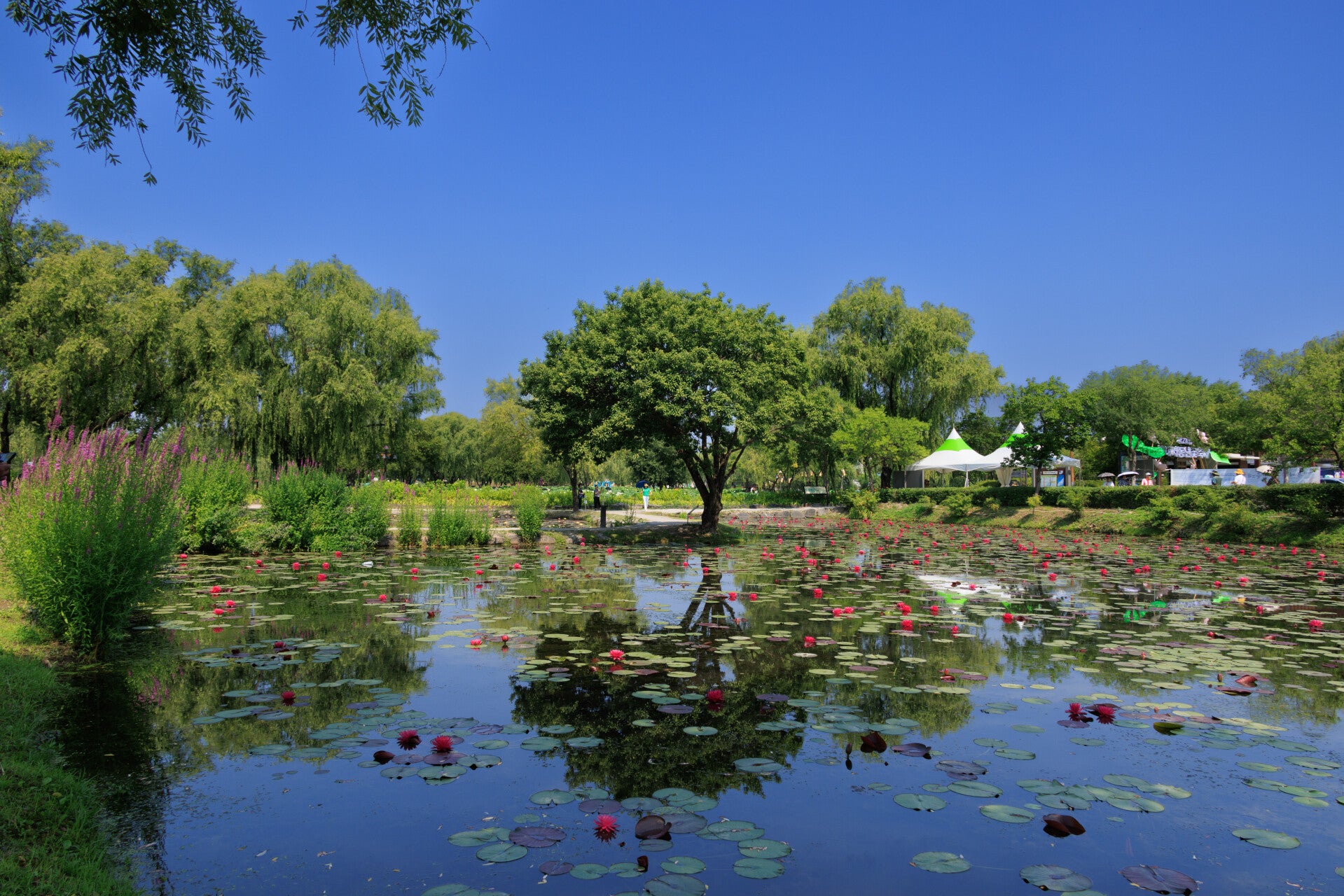
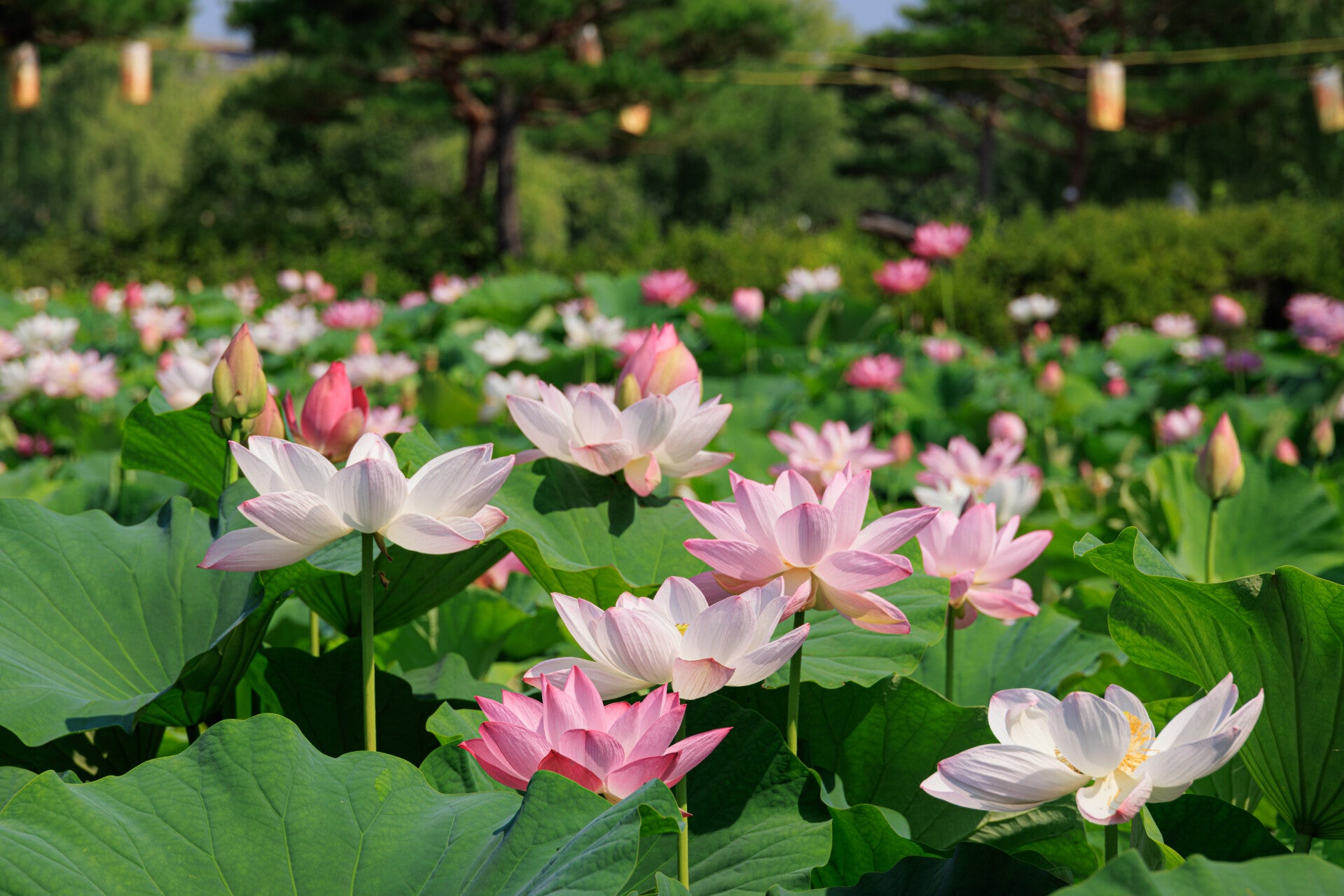
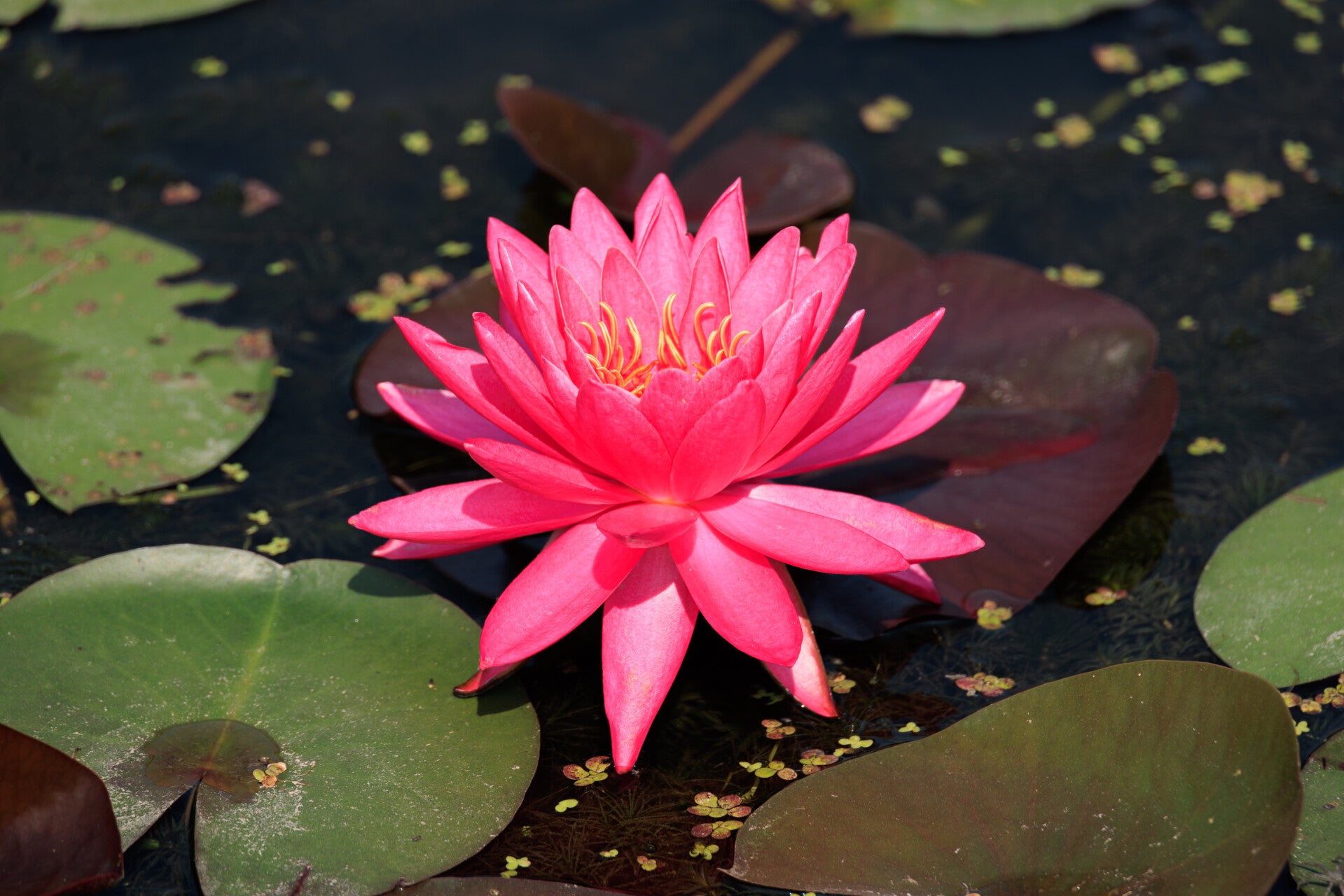
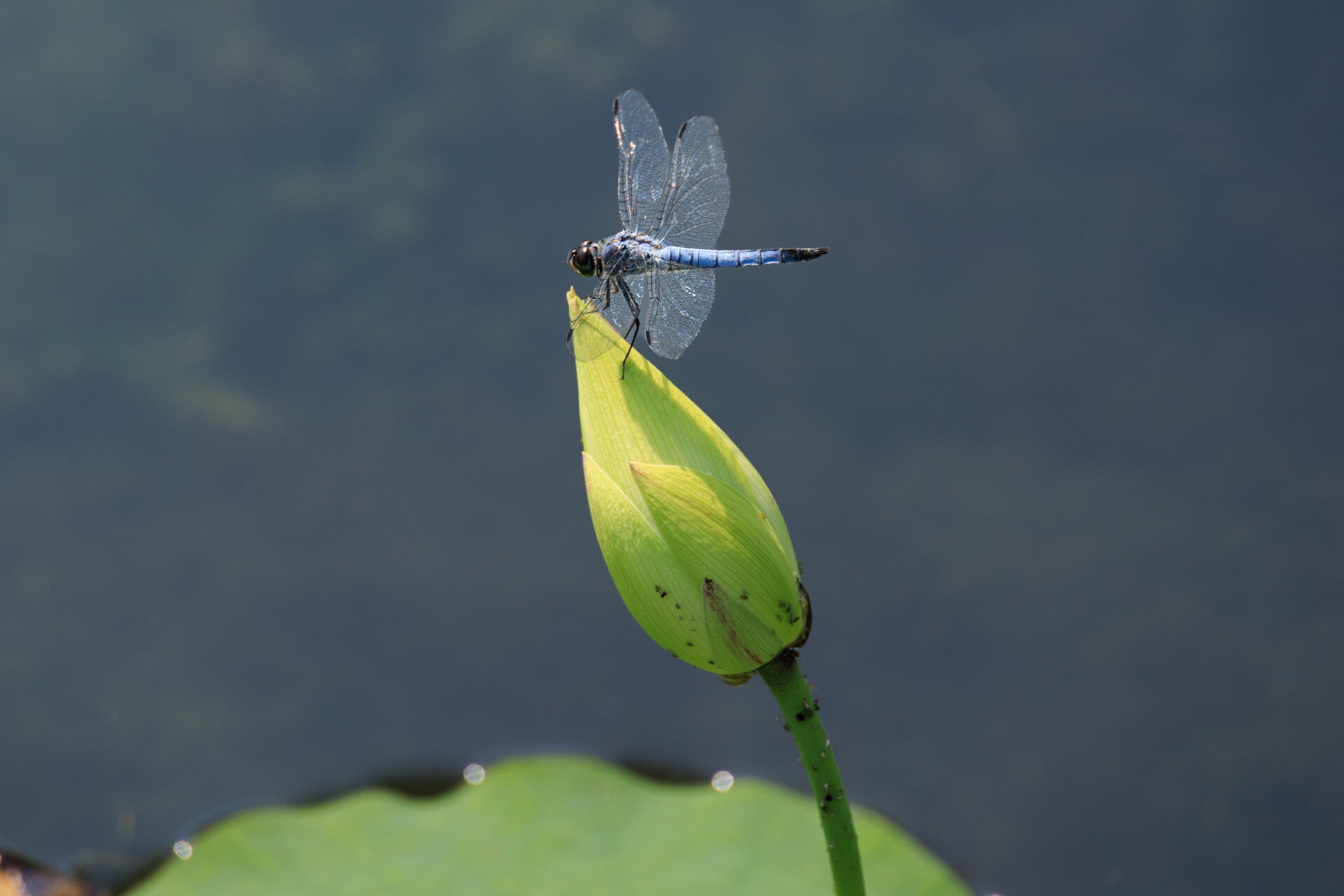
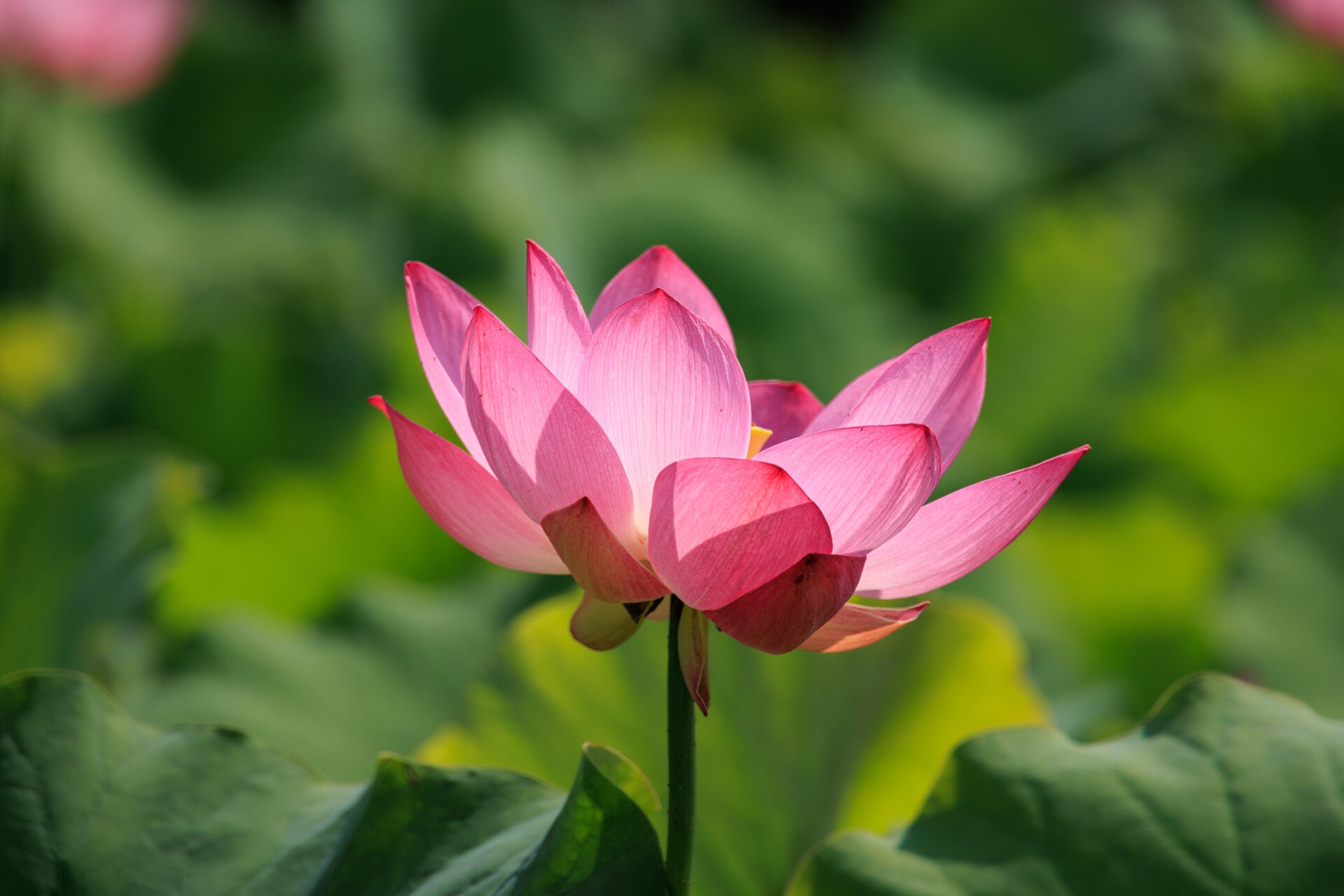
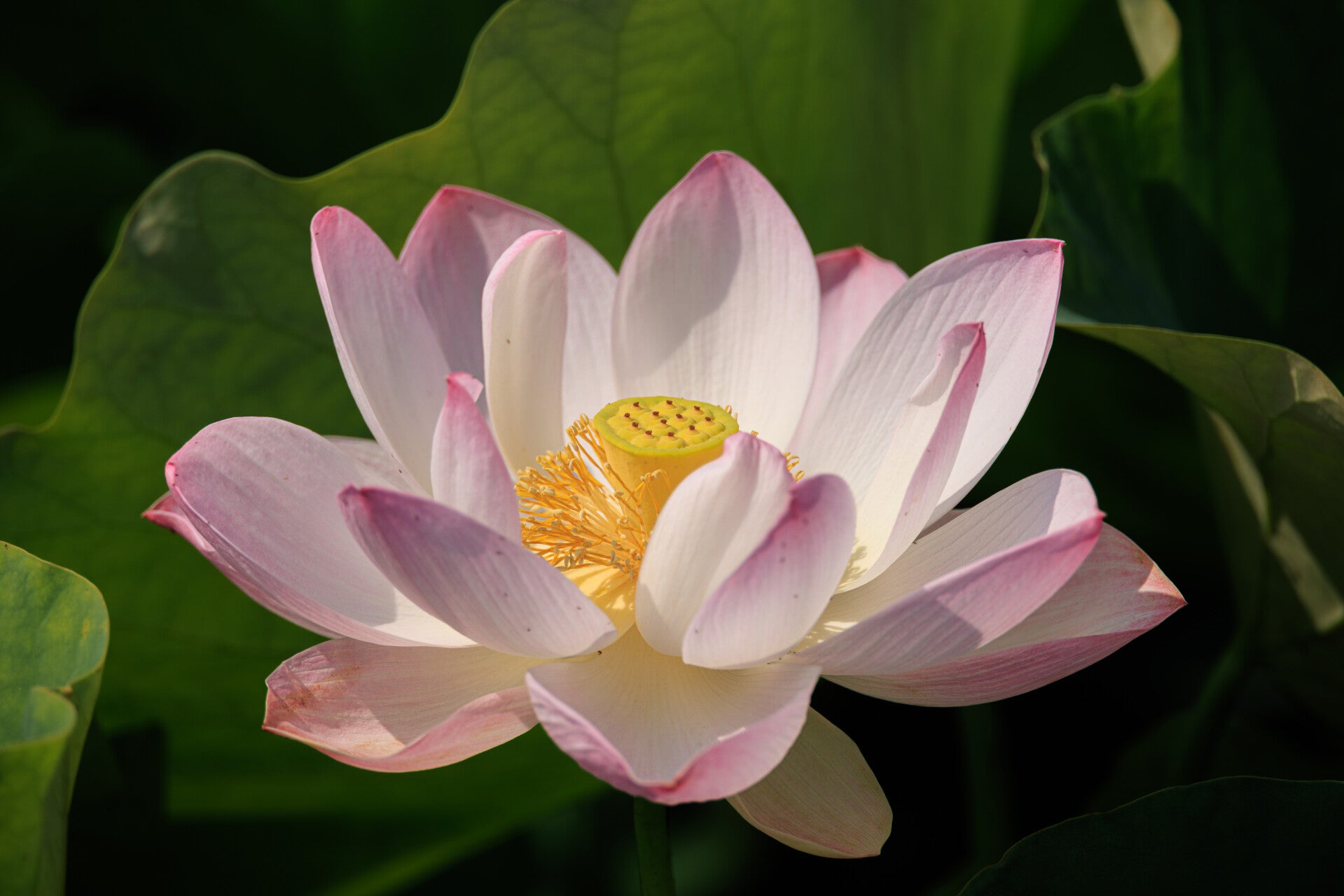
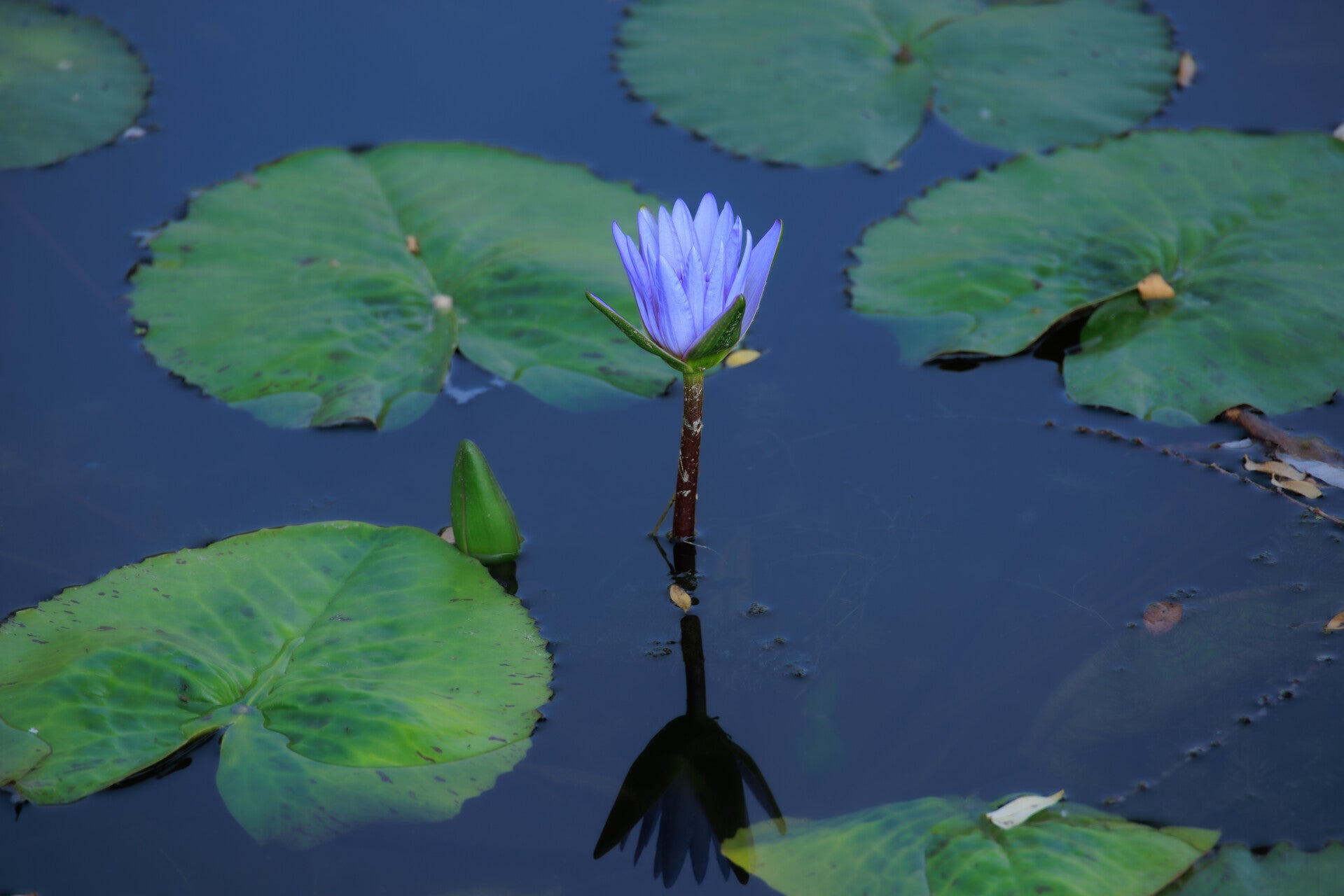
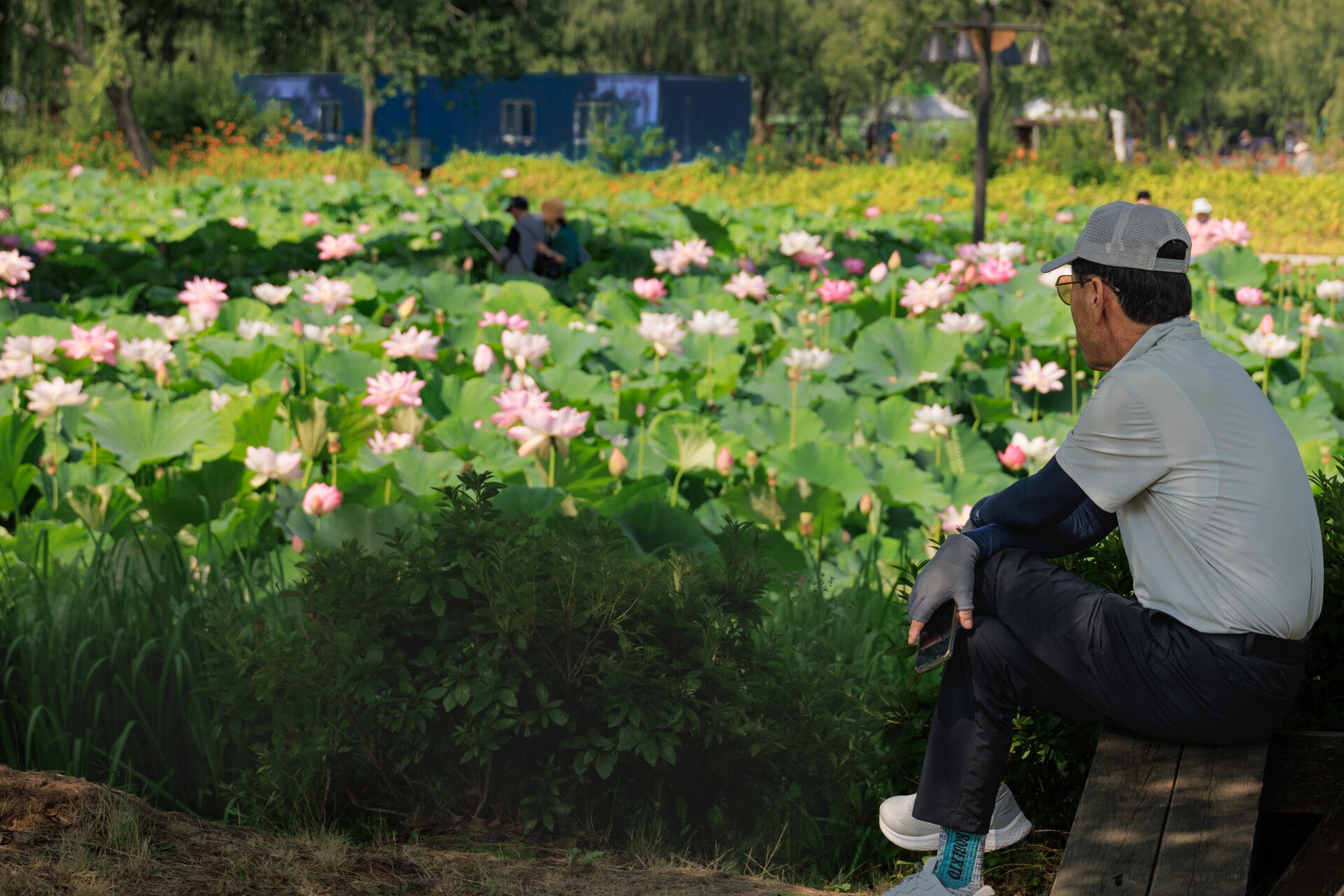
Each summer, Gungnamji Pond comes alive with a vibrant display of lotus flowers and water lilies, transforming the landscape into a celebration of colour and tranquillity. Long admired in Korean culture as symbols of purity, resilience and renewal, these aquatic blooms create an ever-changing tapestry across the water's surface. From sweeping views of the pond to intimate floral portraits, this collection captures the quiet beauty of a season that returns for only a few fleeting weeks each year.
Rural Korea
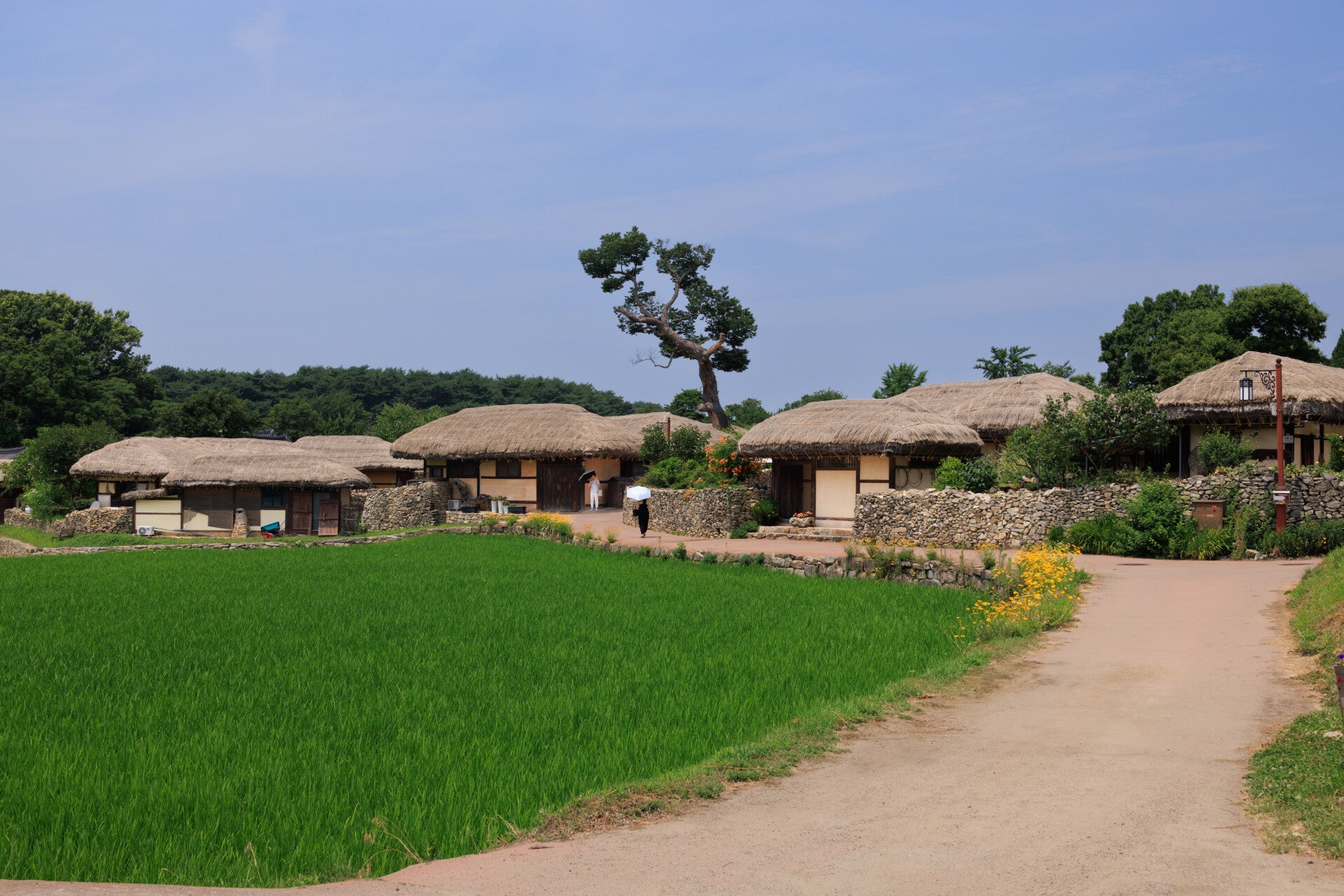
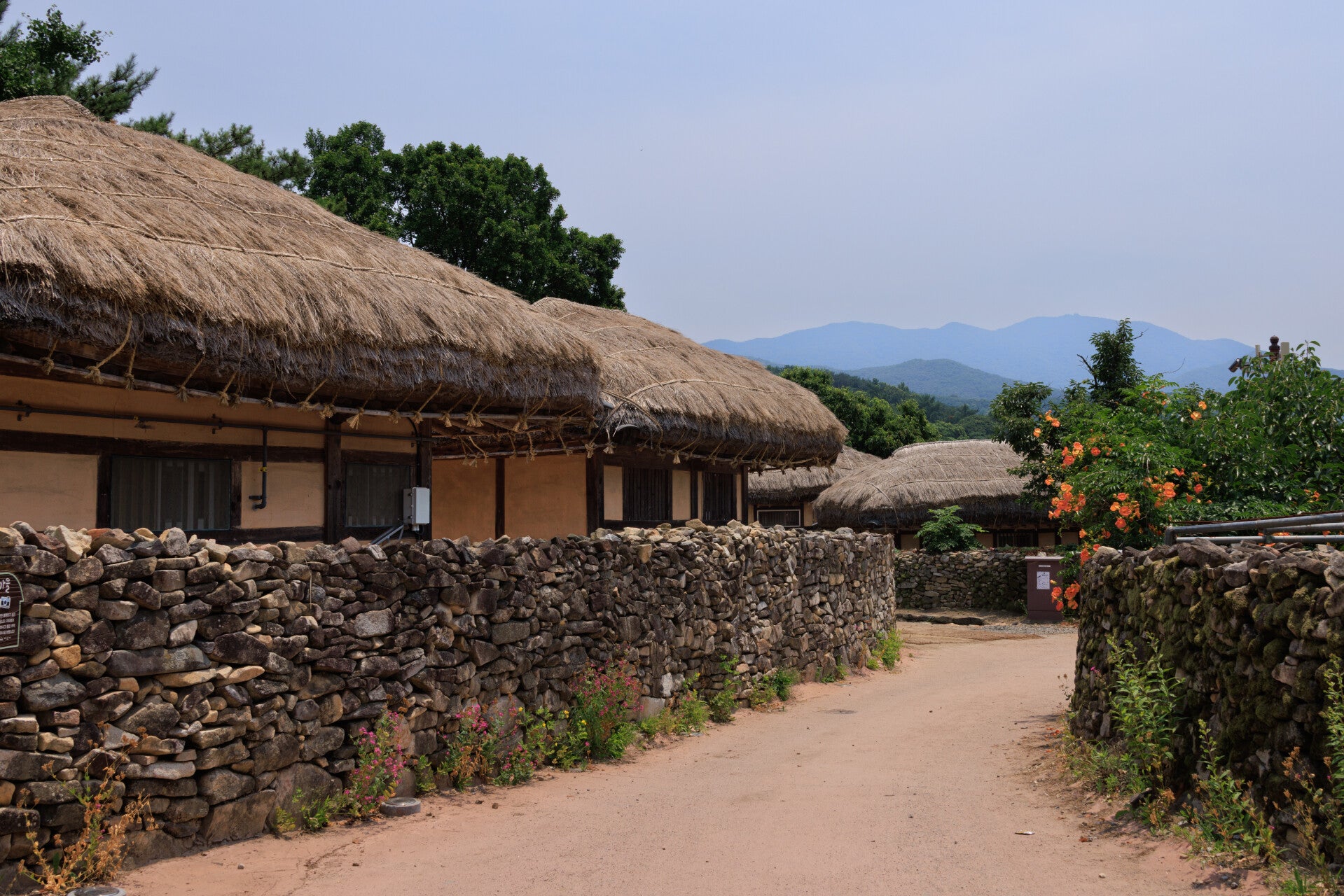
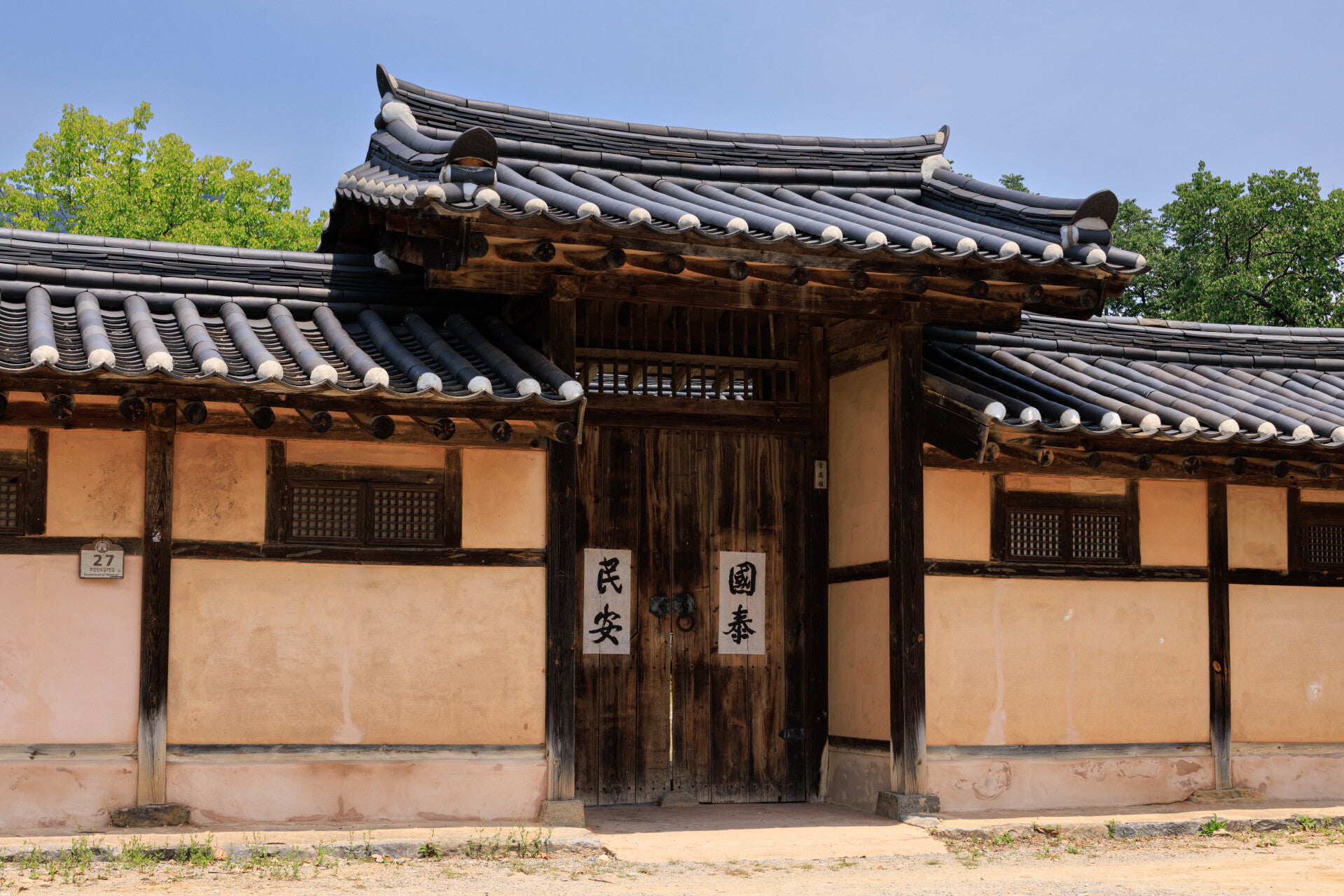
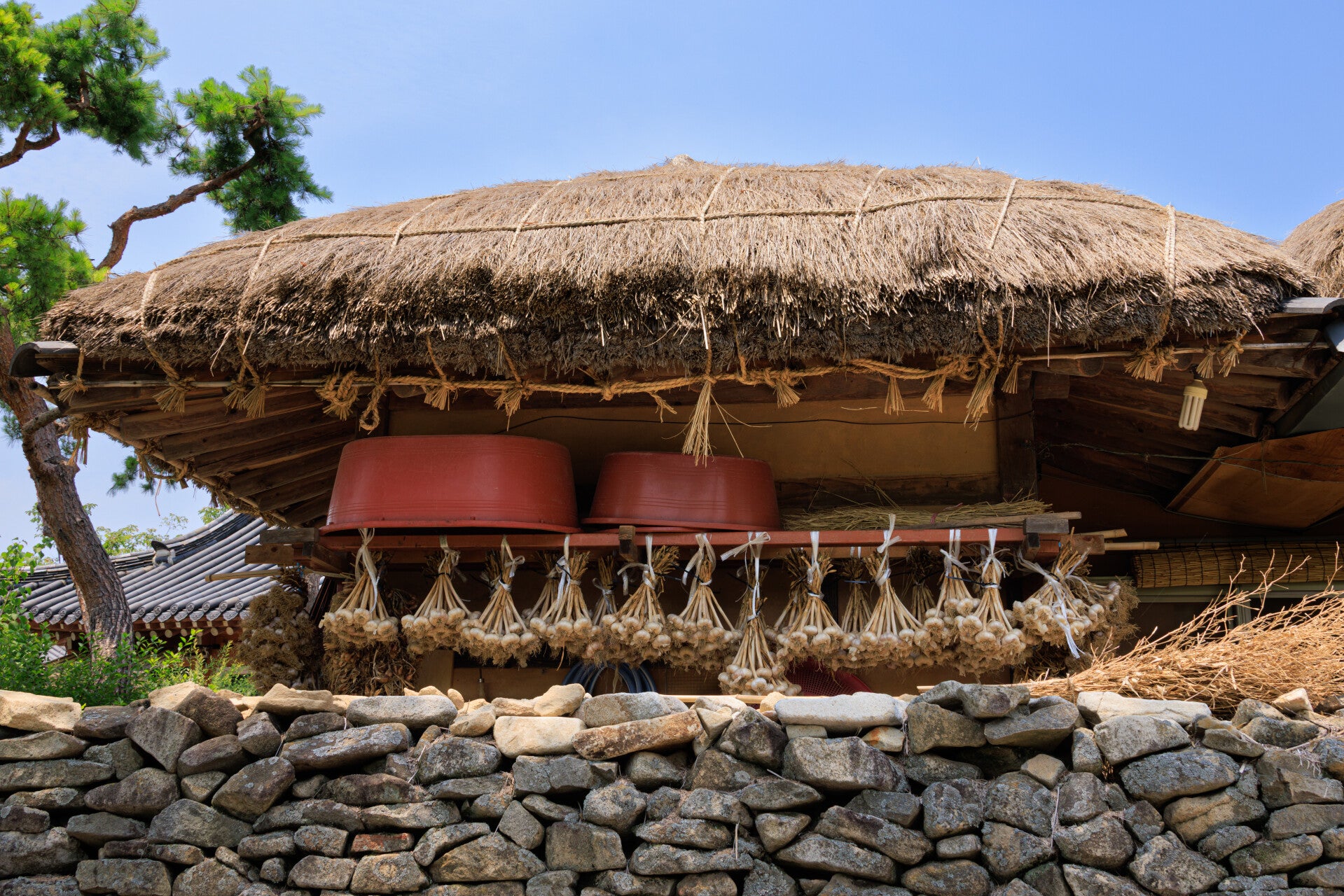
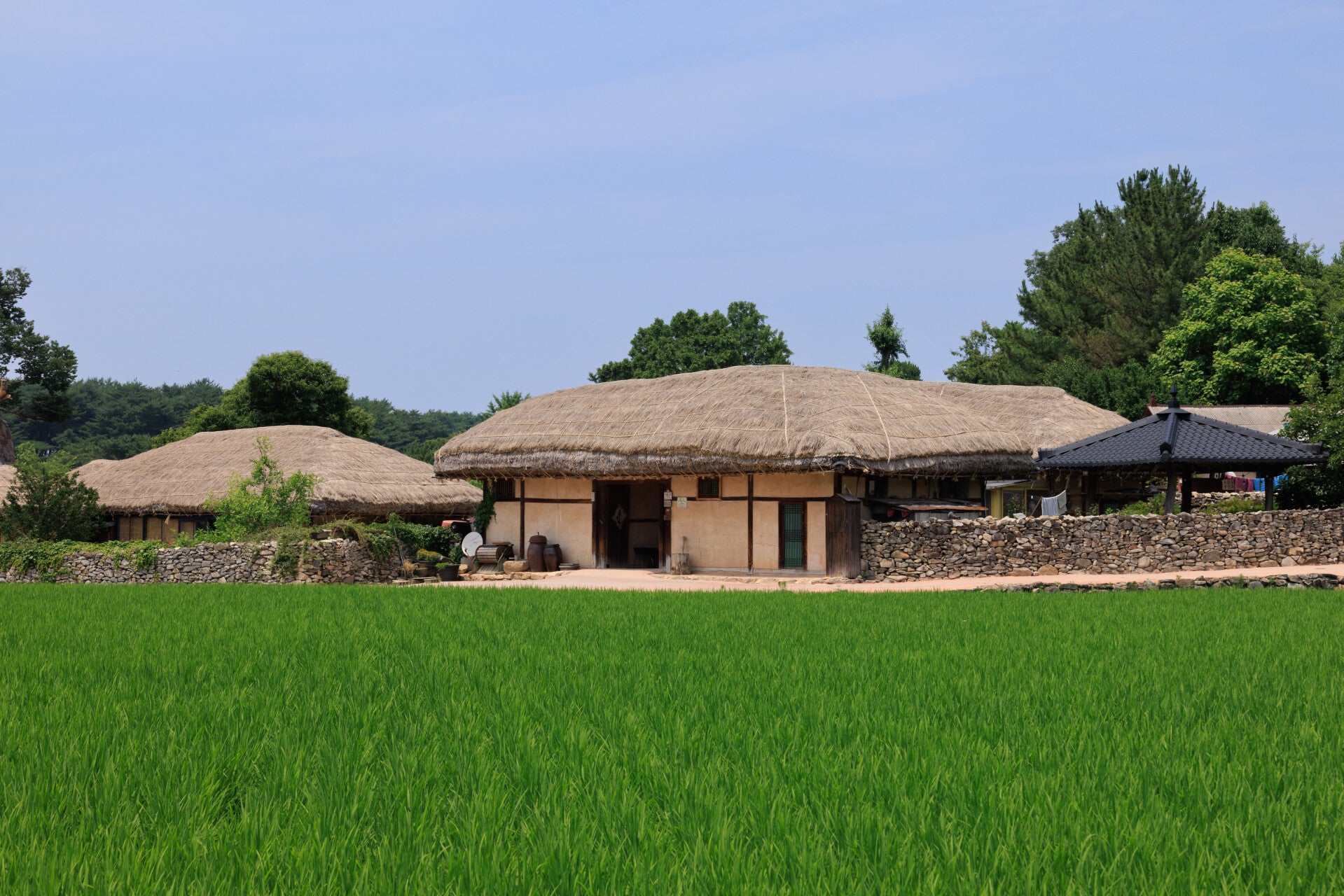
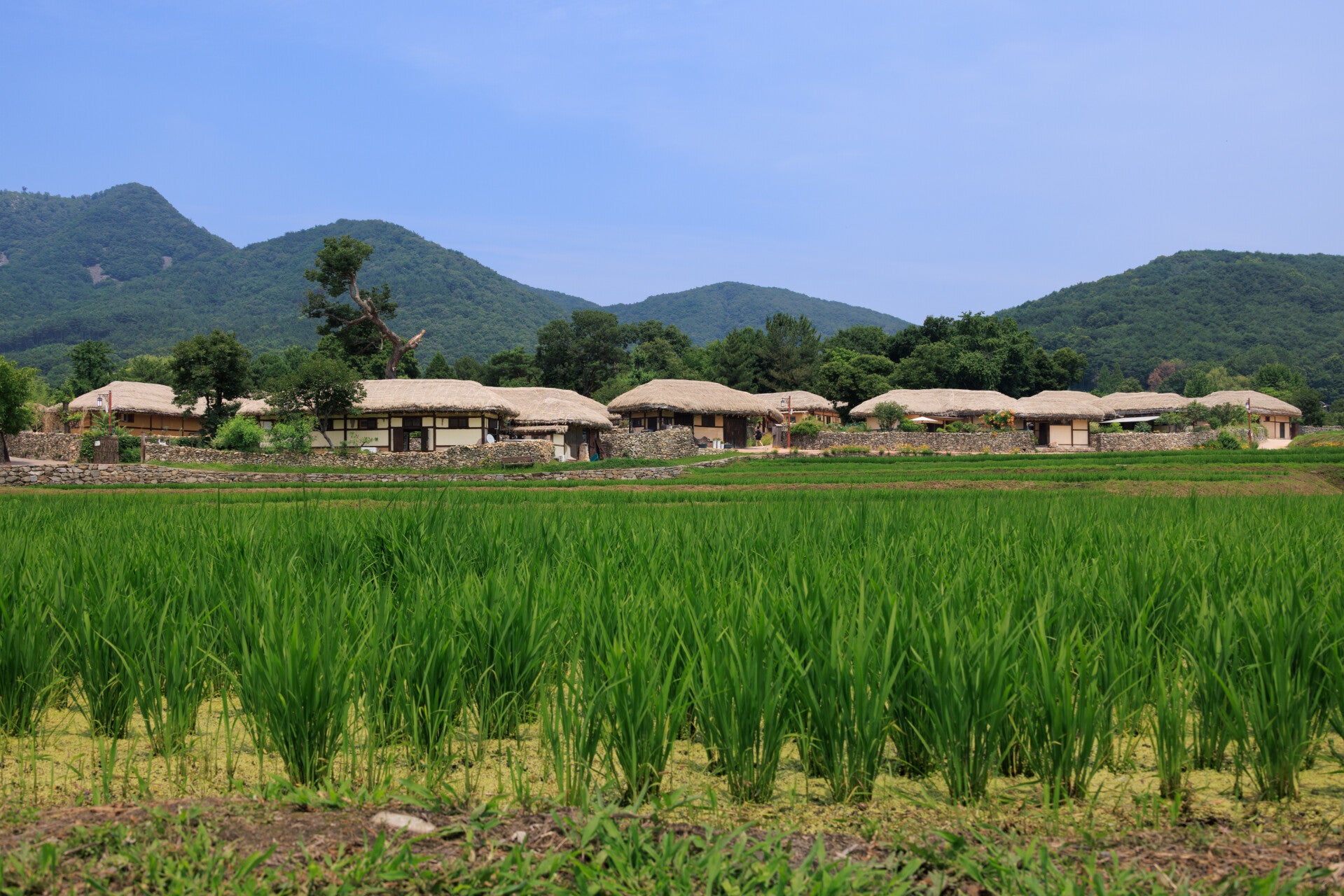
Nestled among rice fields and gentle hills, Oeam Folk Village offers a rare glimpse into Korea's rural heritage. Unlike many historic villages preserved as museums, Oeam remains a living community where traditional hanok homes continue to be inhabited. Stone walls, thatched roofs and quiet country lanes reflect a slower pace of life, preserving customs and craftsmanship that have endured for generations. This collection captures the timeless charm of a village where history is not only remembered, but still lived every day.