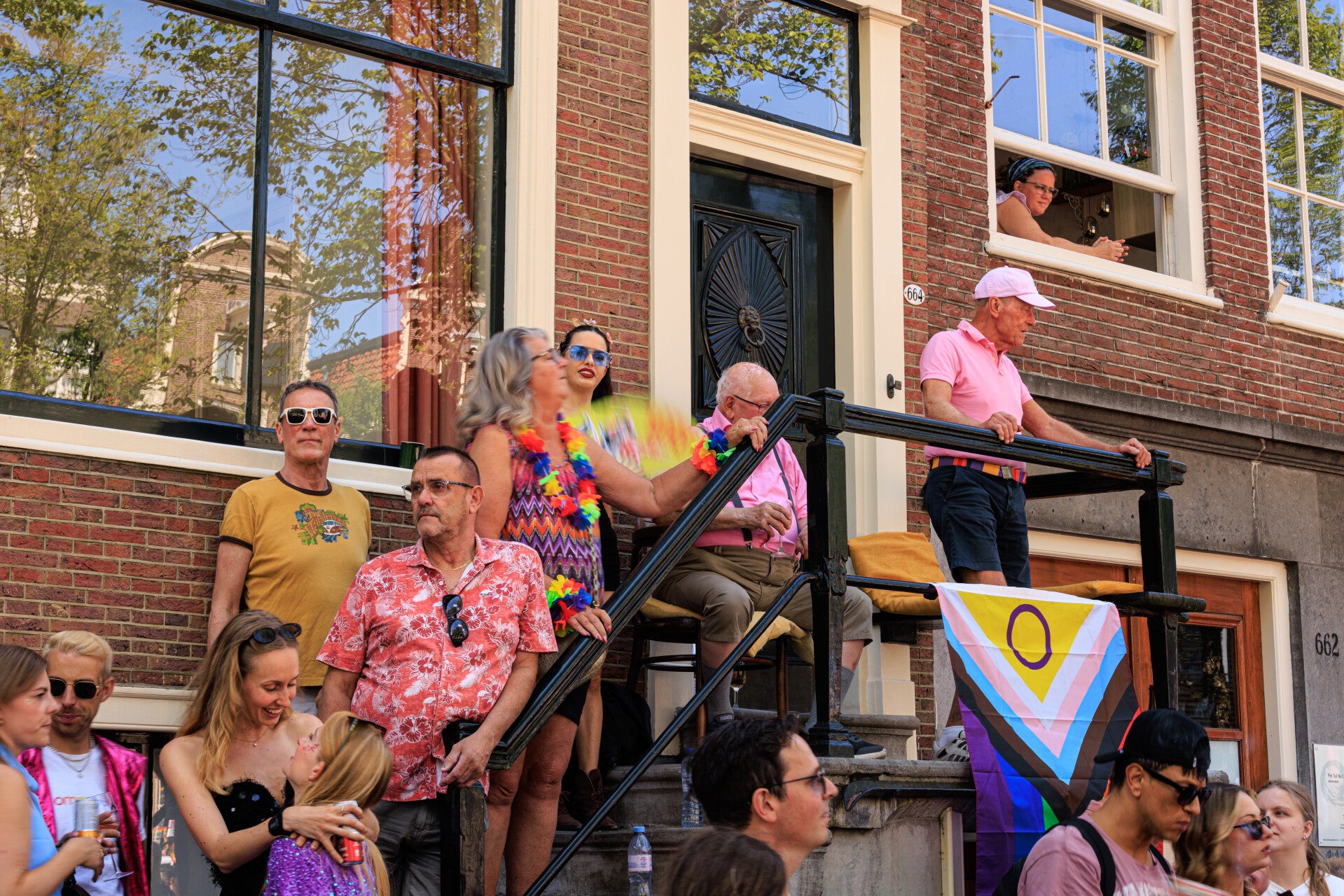
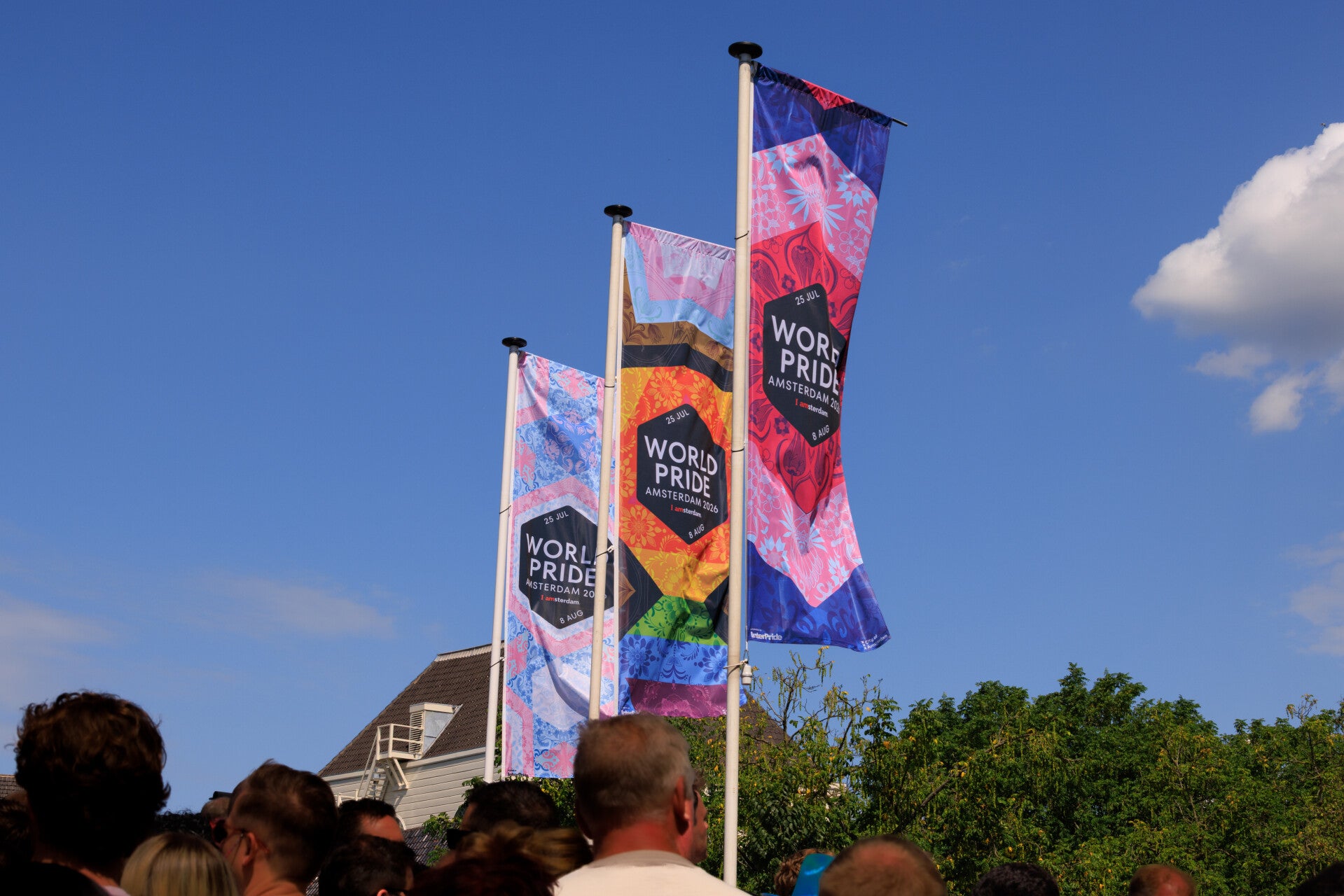
Pride Amsterdam 2026
Amsterdam Pride is far more than a celebration—it is a statement of visibility, freedom, and belonging.
I was in my early twenties when the very first Amsterdam Pride took place (1996). In those days, it was about much more than colourful boats and festivities. It was a way to give a voice to the fight for equality, to raise awareness, and to stand together in support of equal rights, including the recognition of same-sex marriage. Having many close friends in the LGBTQ+ community, attending Pride became my way of showing solidarity, and it quickly grew into an annual tradition—especially during the years I lived in Amsterdam.
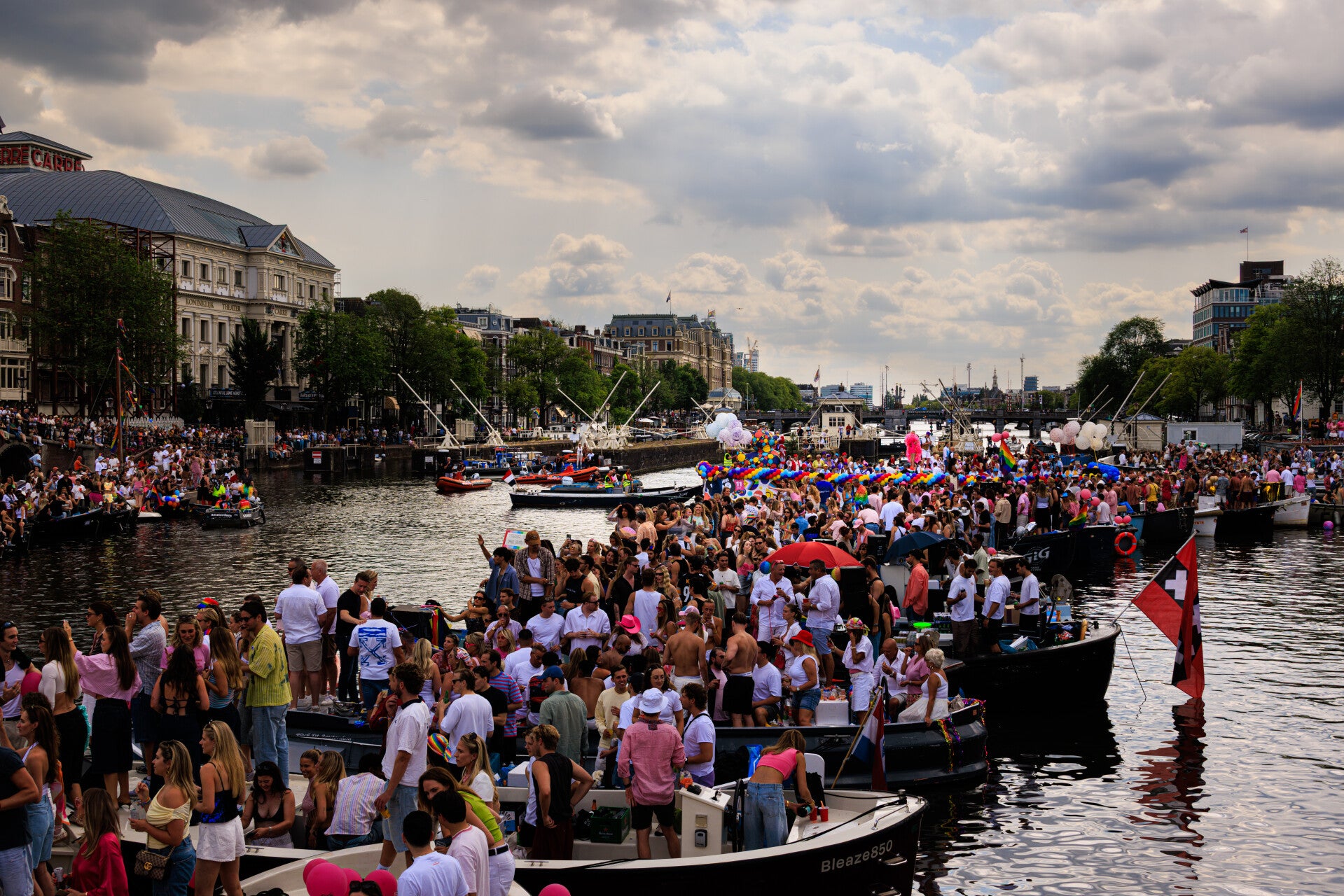
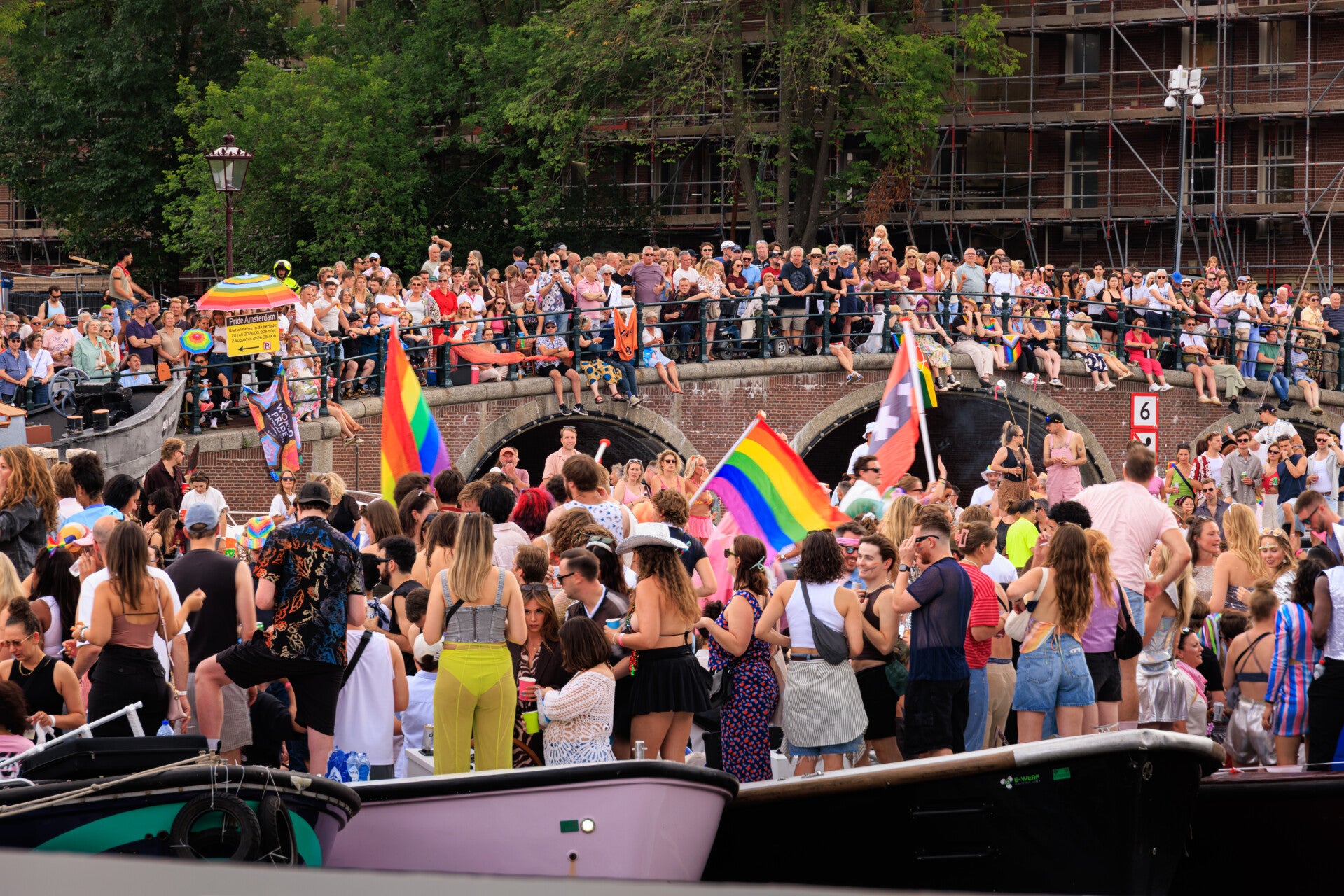
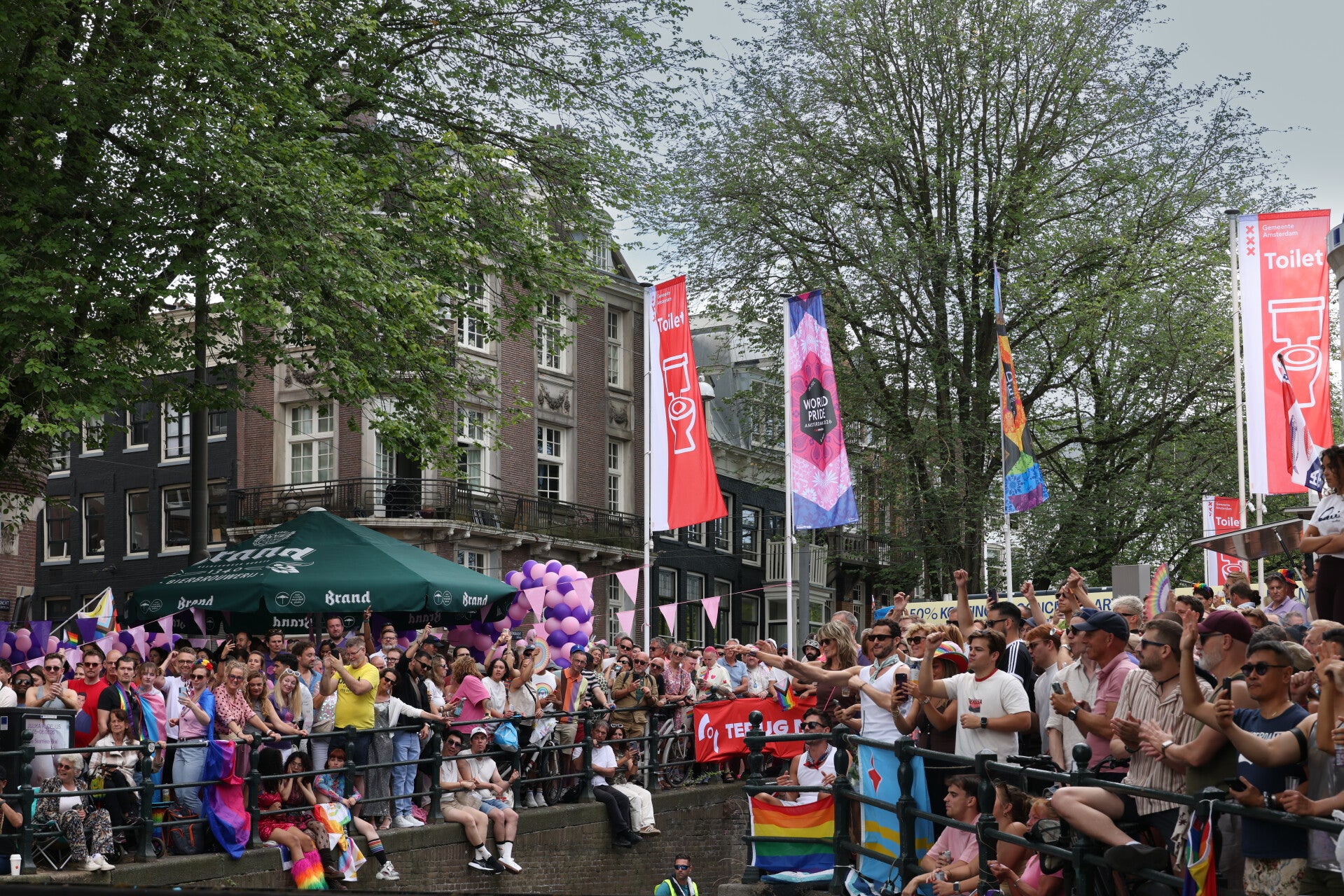
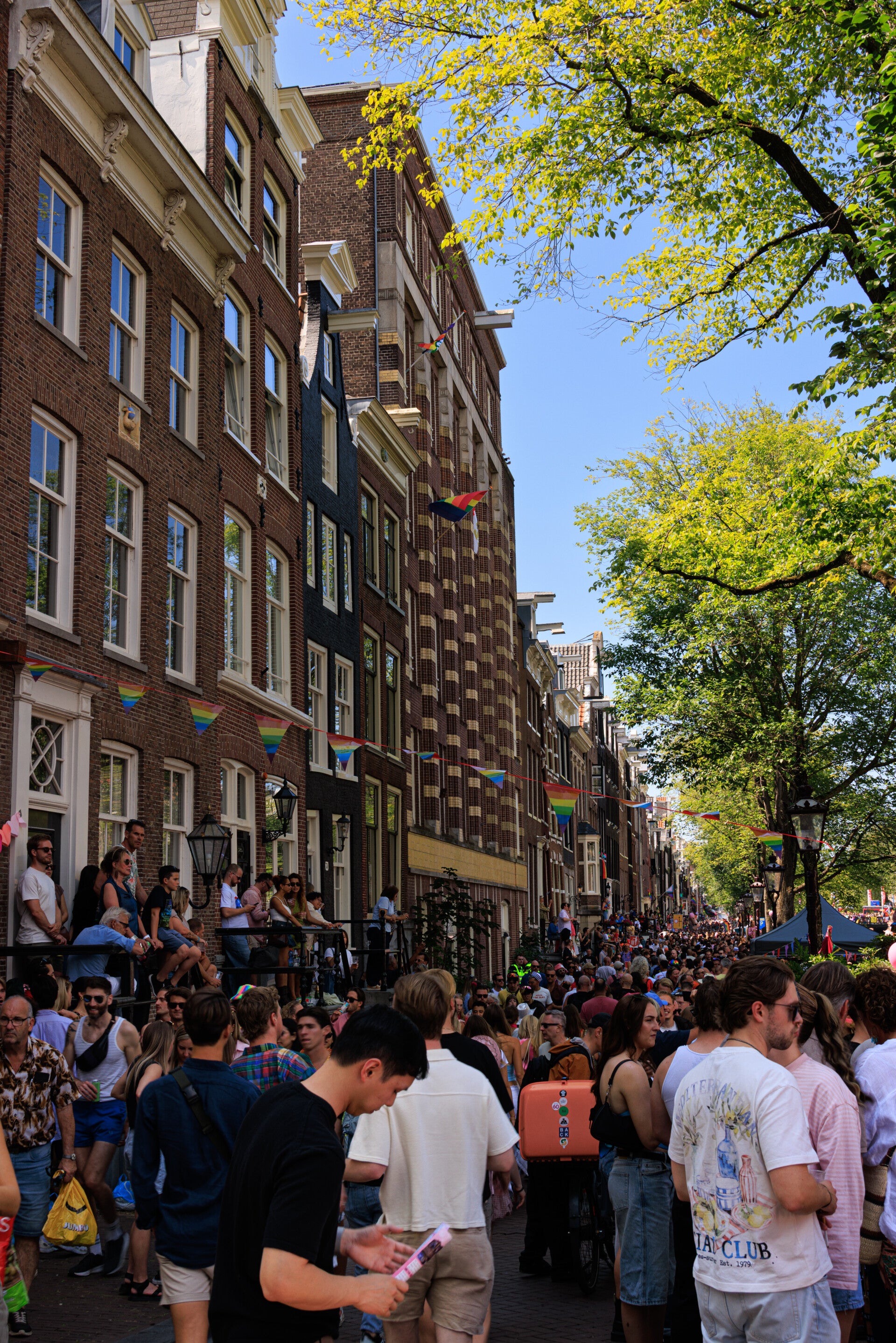
Back then, around 60,000 people gathered along the canals. Today, Amsterdam Pride attracts well over half a million visitors, a testament not only to the event's popularity but also to the progress that has been made in visibility, acceptance, and inclusion. Yet those achievements should never be taken for granted. Hate crimes and discrimination continue to exist, and in many parts of the world LGBTQ+ people are still denied the rights and freedoms that many of us have come to expect.
Over the years, I have experienced Pride from many different perspectives. I have watched the Canal Parade from the quays, celebrated aboard party boats, and even had the privilege of taking part in the parade itself. Those memories are inseparable from my own journey and from witnessing how attitudes towards diversity and inclusion have evolved over the decades.
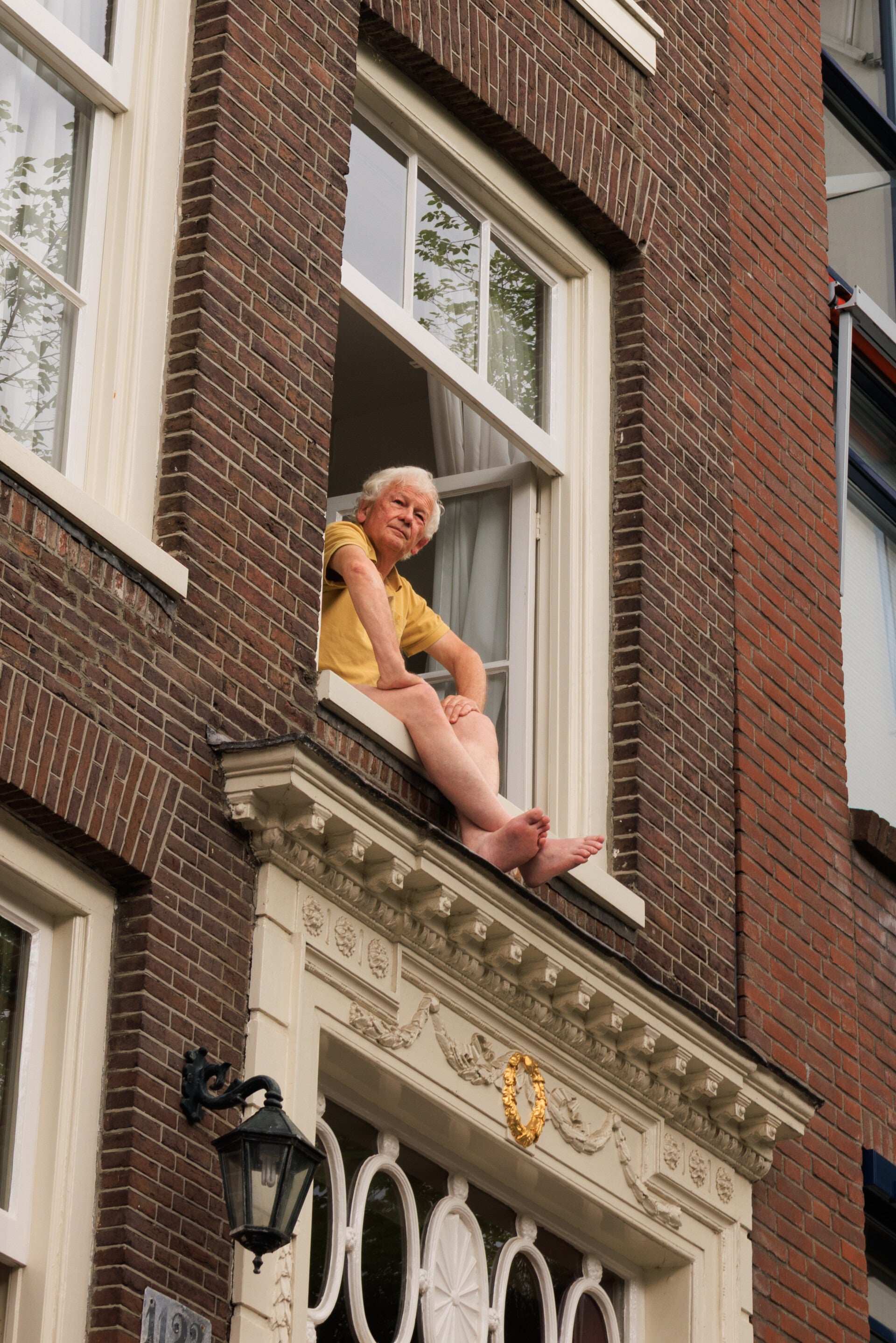
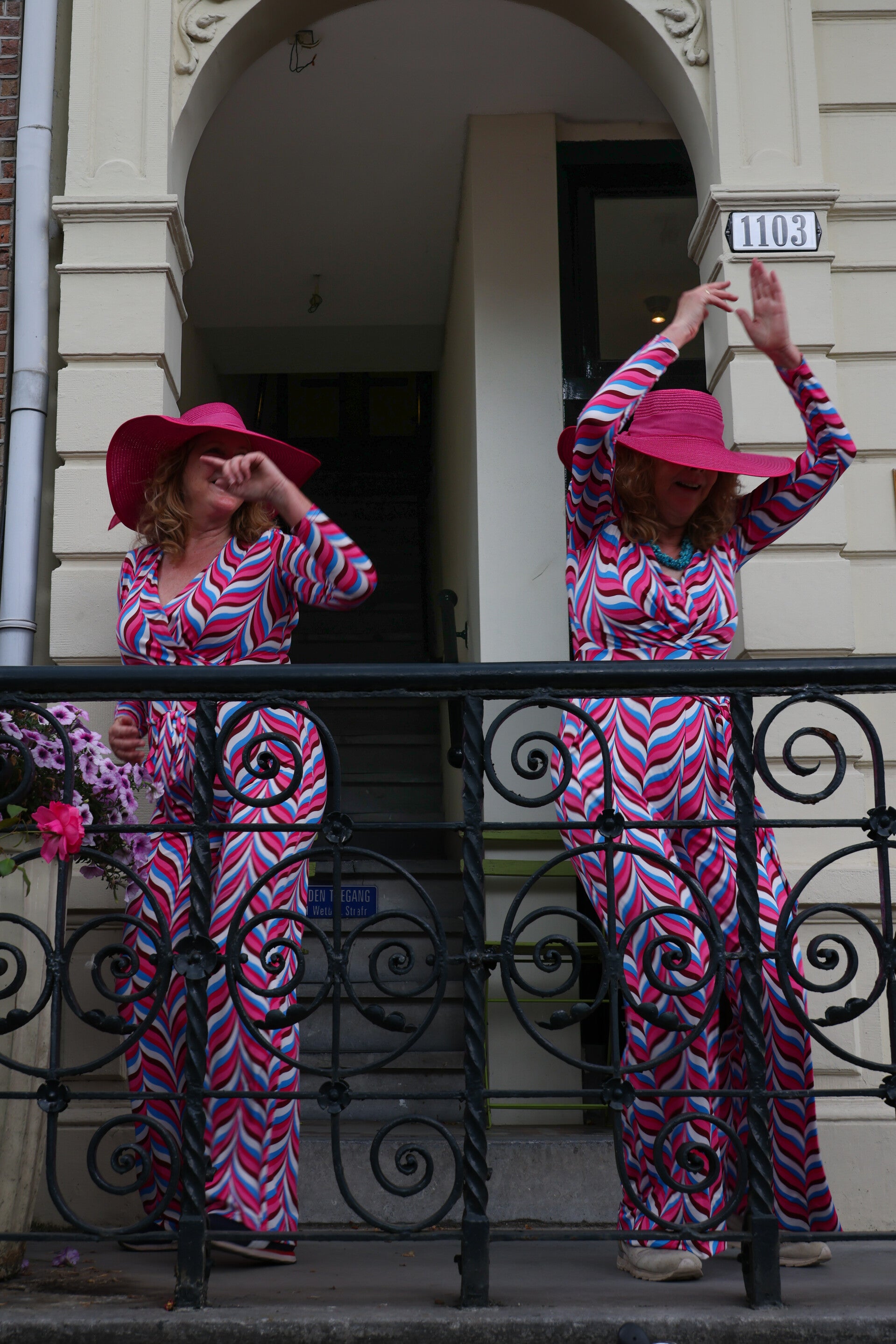
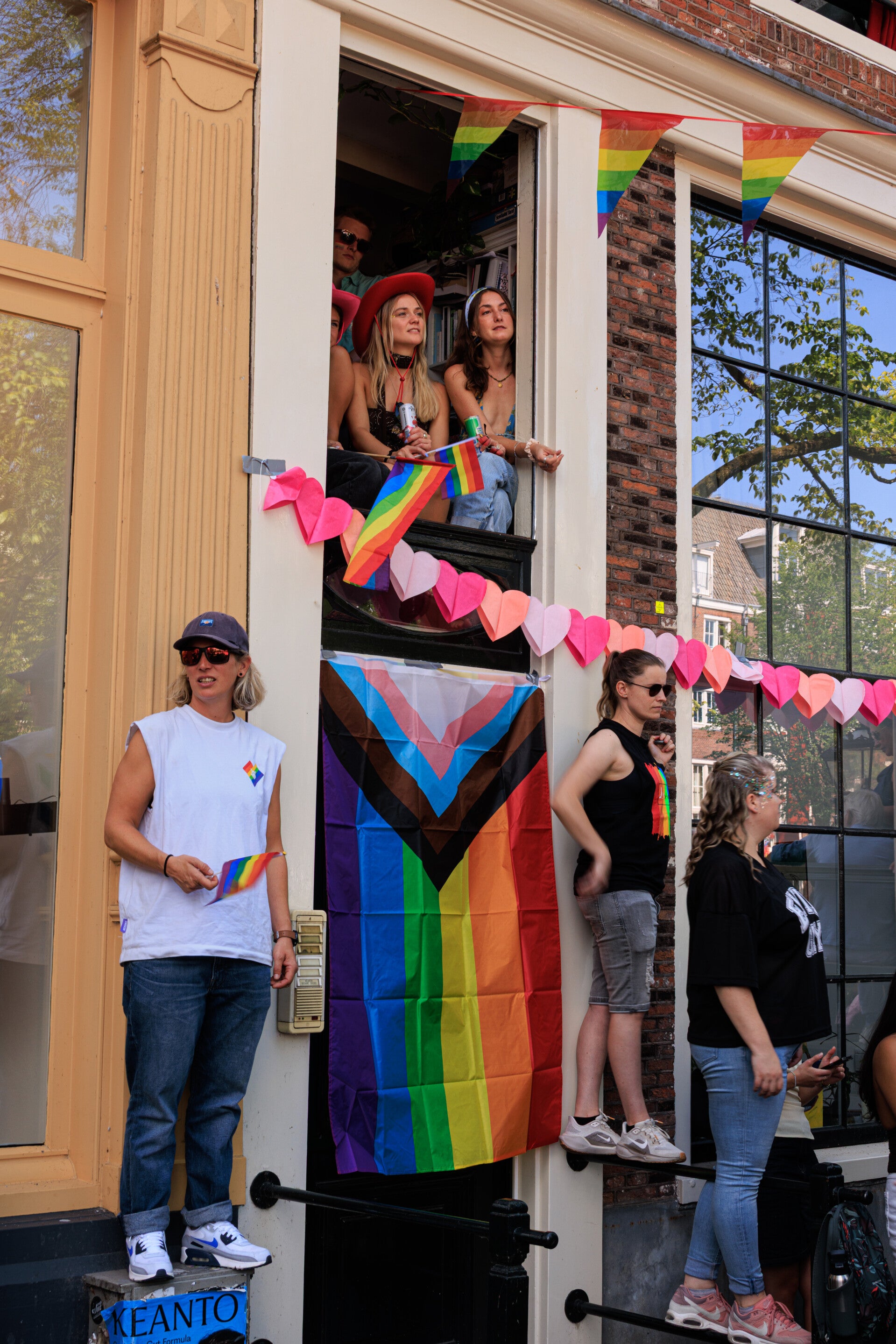
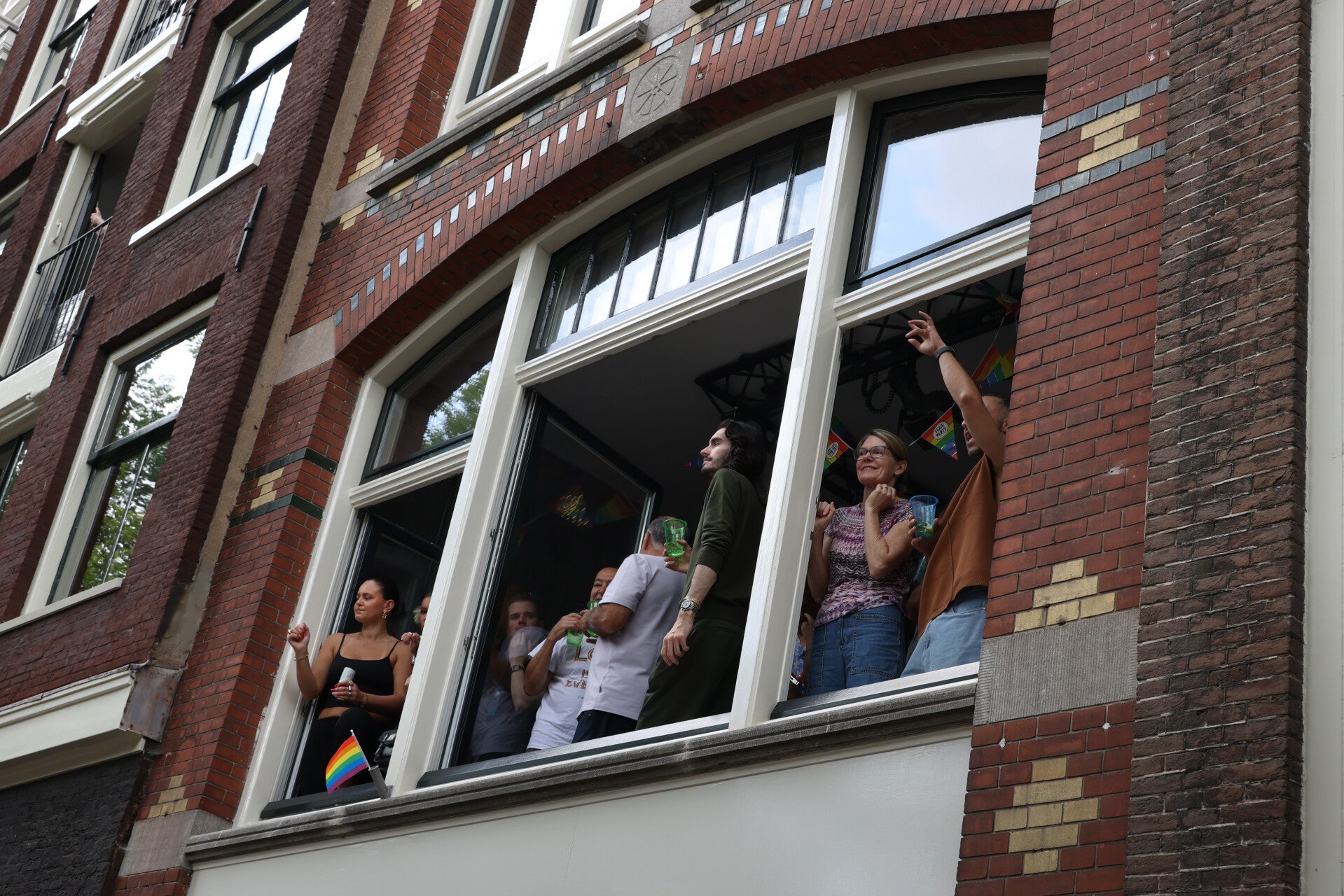
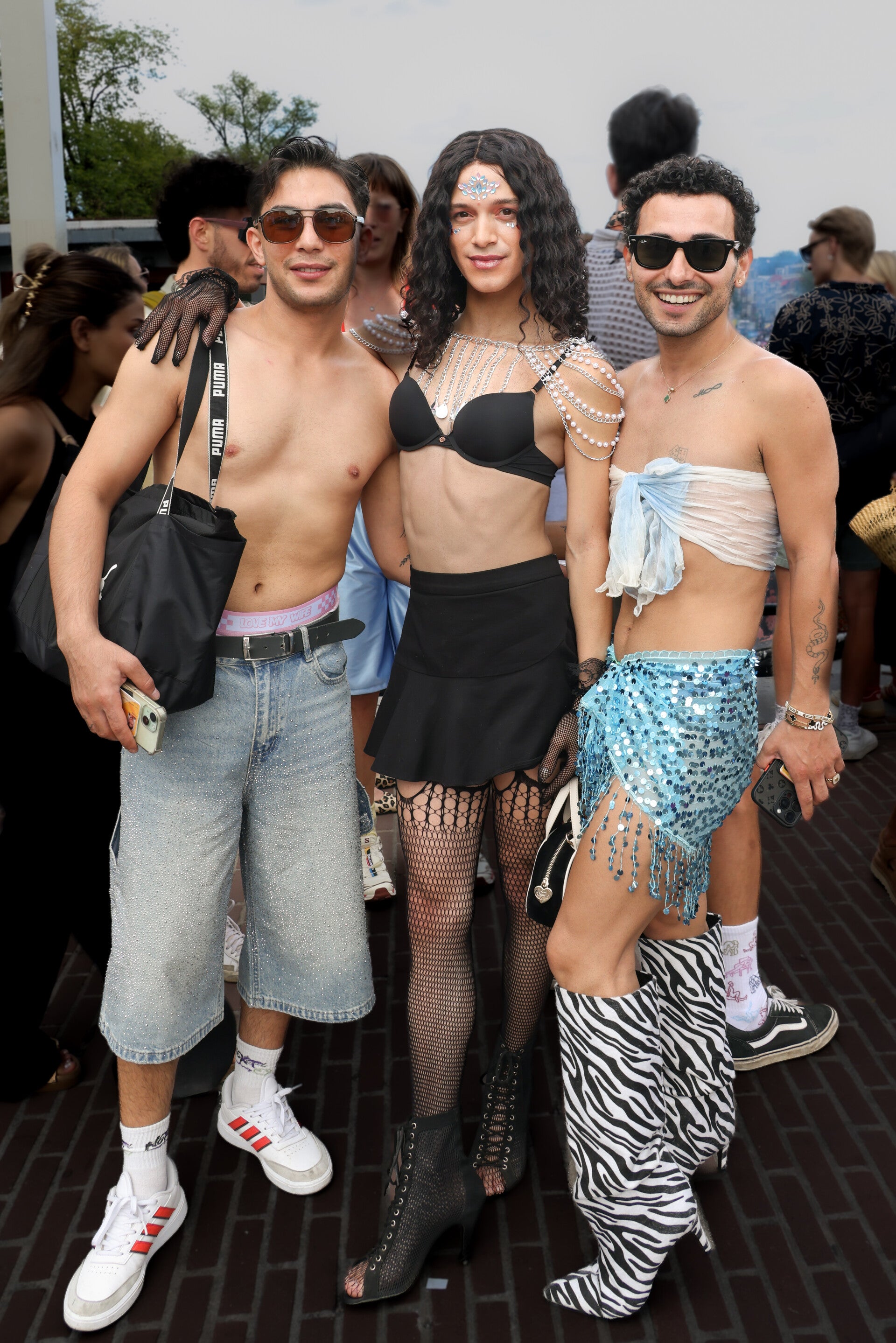
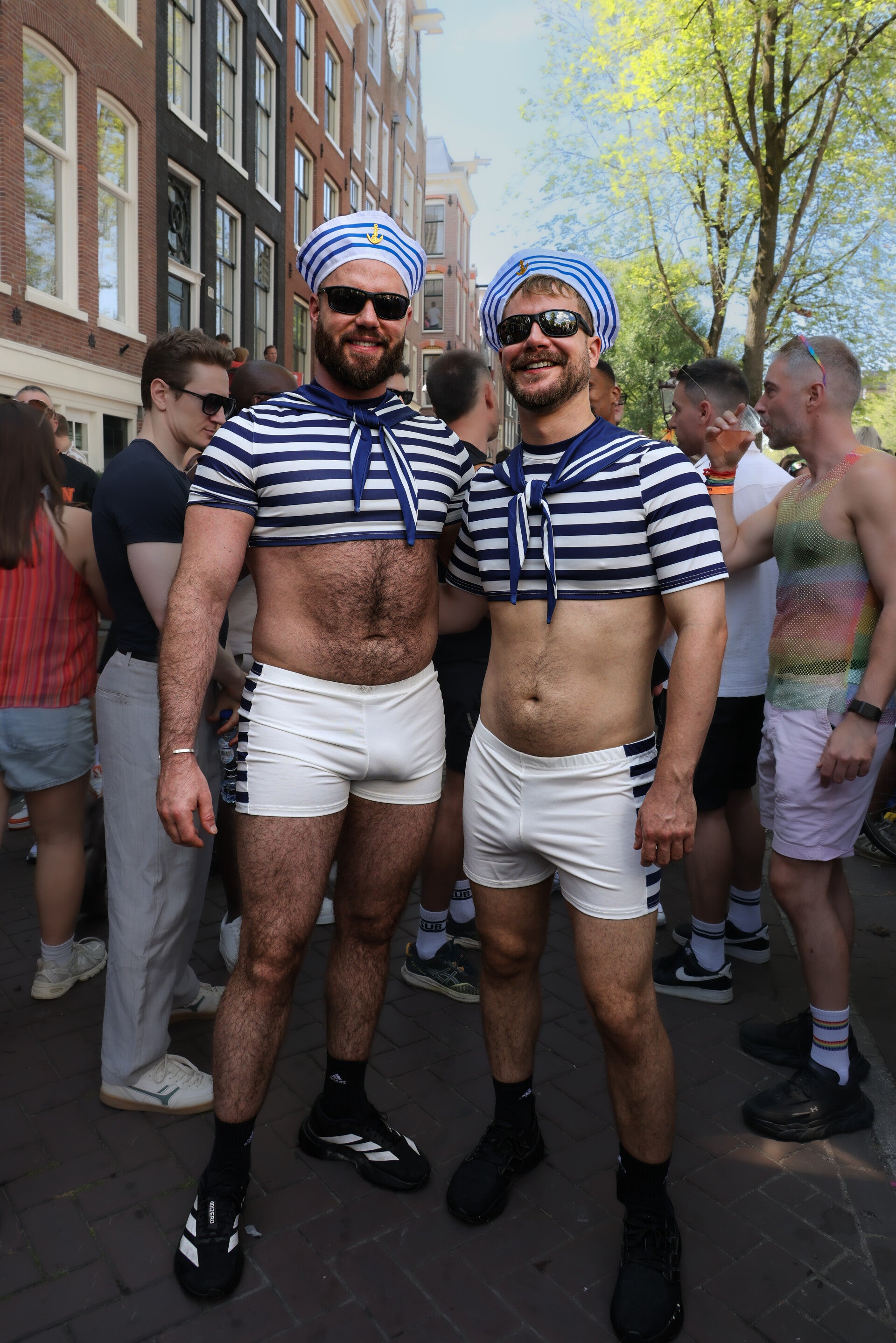
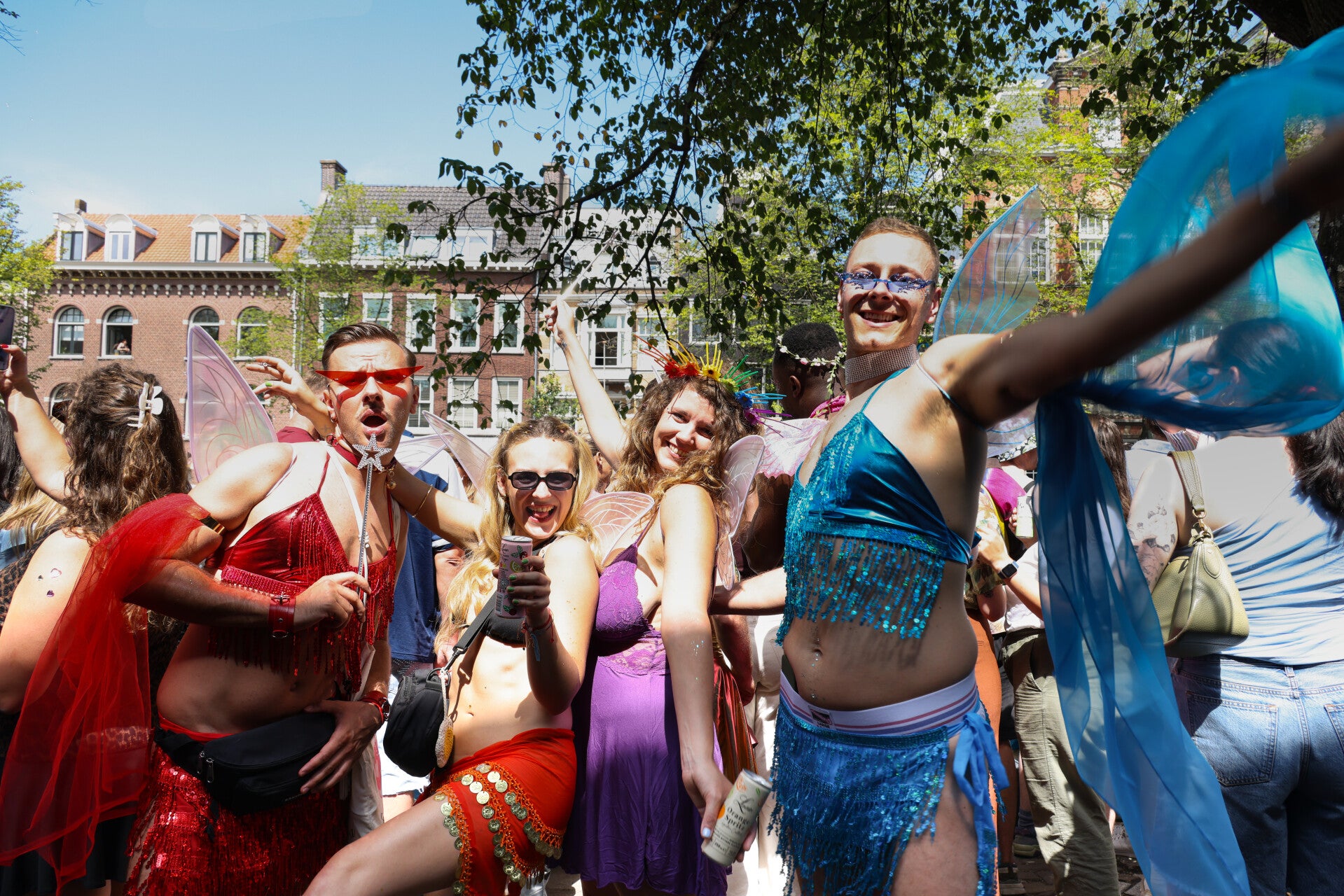
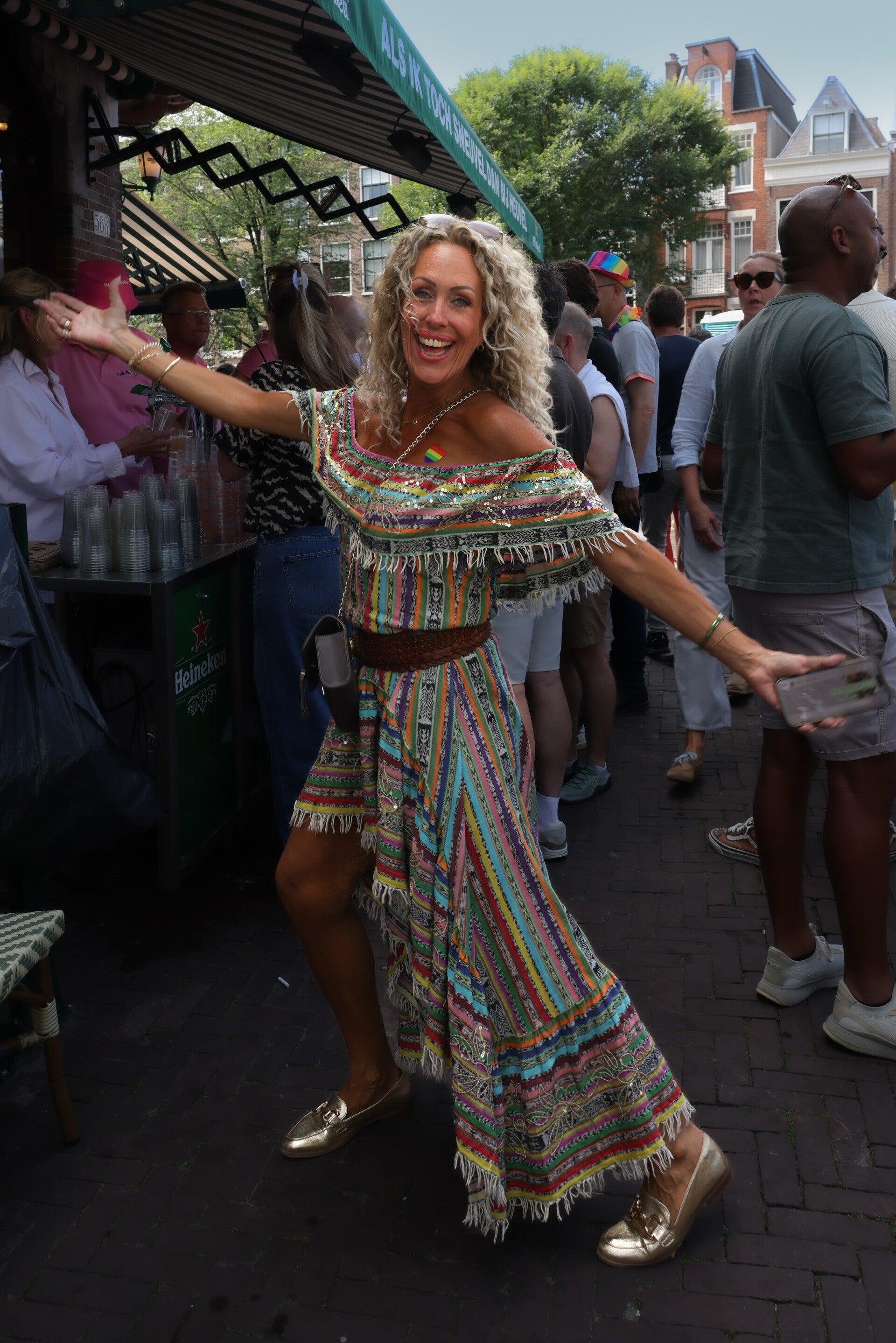
Returning to Amsterdam Pride today always brings back those early memories. This time, rather than focusing on the boats themselves, I wanted to tell a different story. My camera turned towards the people: the participants, the emotions, the quiet moments between the celebrations, and the countless expressions of joy, pride, connection, and authenticity that make Amsterdam Pride such a remarkable event.
Along the Canals
Faces of Pride
Watching from the Sidelines